

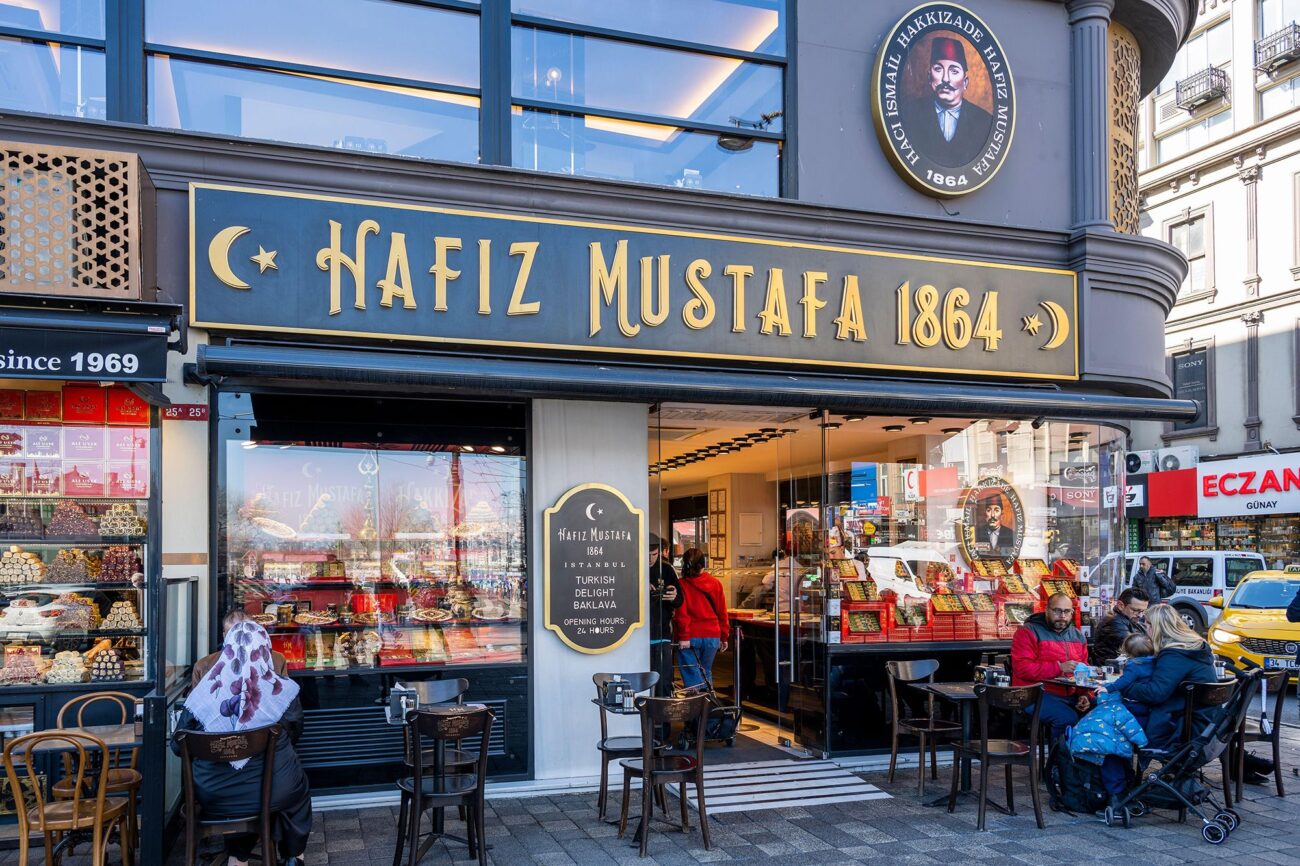
Cafés have long been an integral part of global culture, acting as social hubs, intellectual gathering spots, and creative incubators. From the bustling streets of Paris to the serene corners of Kyoto, cafés have left an indelible mark on societies across the world. This article explores the rich history of global cafés, tracing their evolution and significance in various cultures.
The Birth of Cafés: The Middle Eastern Origins
The history of cafés can be traced back to the Middle East, where coffeehouses first emerged in the 15th century. Known as “qahveh khaneh” in Persia, these establishments served as venues for socializing, entertainment, and political discourse. Coffee, introduced from Ethiopia, was brewed and consumed in these early cafés, quickly becoming synonymous with the vibrant social life of the region.
In the Ottoman Empire, coffeehouses became cultural institutions where men gathered to discuss politics, literature, and religion. The atmosphere was enriched by music, storytelling, and games like chess and backgammon. These early coffeehouses set the stage for the global spread of café culture.
European Expansion: From Venice to Vienna
The concept of coffeehouses made its way to Europe in the 17th century, initially in Venice, Italy, through trade with the Ottoman Empire. The first European café opened in Venice in 1645, signaling the beginning of a café culture that would soon sweep the continent.
In England, coffeehouses became known as “penny universities” due to the intellectual discussions that took place there. For the price of a penny, patrons could enjoy a cup of coffee and engage in debates on politics, philosophy, and science. These establishments played a crucial role in the Enlightenment, fostering an environment where ideas could be freely exchanged.
Meanwhile, in Vienna, coffeehouses became iconic symbols of the city’s cultural life. The Viennese café culture, characterized by opulent interiors and leisurely habits, was immortalized by writers and artists who frequented these spaces. Coffeehouses like Café Central and Café Landtmann became renowned for hosting intellectual luminaries such as Freud, Trotsky, and Kafka.
The Parisian Café: A Bohemian Haven
In Paris, cafés evolved into quintessential elements of the city’s social and artistic landscape. By the 19th century, Parisian cafés had become gathering places for bohemians, artists, and writers. These establishments provided refuge for creative minds, offering inspiration and camaraderie.
Cafés like Café de Flore and Les Deux Magots became associated with literary giants such as Jean-Paul Sartre, Simone de Beauvoir, and Ernest Hemingway. The atmosphere of these cafés, combined with the intellectual vibrancy of Paris, fostered the development of new artistic movements, including existentialism and surrealism.
The Parisian café culture celebrated leisure and conversation, where patrons could spend hours indulging in coffee, pastries, and stimulating discussions. This laid-back yet intellectually stimulating environment became the hallmark of the city’s café scene.
The American Coffeehouse: A Hub of Counterculture
Across the Atlantic, cafés in America took on a distinctive character. The coffeehouse movement gained momentum in the 1950s and 1960s, becoming intertwined with the counterculture movements of the era. Coffeehouses served as venues for folk music performances, poetry readings, and political activism.
In cities like New York and San Francisco, cafés became synonymous with the Beat Generation, a group of writers and artists who challenged conventional norms. Establishments like Caffe Reggio in Greenwich Village became legendary for their role in nurturing creative talents such as Jack Kerouac and Allen Ginsberg.
The American café culture evolved further with the rise of specialty coffee shops in the late 20th century. Chains like Starbucks popularized the espresso-based drinks that are now staples in American coffee culture, transforming the café experience into a mainstream phenomenon.
Asia’s Unique Café Culture: Tradition Meets Modernity
In Asia, café culture has taken on unique forms, blending traditional elements with modern influences. Japan, for instance, is home to kissaten, quaint coffee shops that emphasize meticulous brewing techniques and a tranquil atmosphere. These establishments often serve not just coffee but also a sense of nostalgia, with retro decor and a focus on craftsmanship.
In South Korea, the café scene has exploded in recent years, with themed cafés becoming a popular trend. From cat cafés to hanbok cafés, these establishments offer immersive experiences that go beyond the typical coffee shop. The Korean café culture emphasizes creativity and innovation, drawing both locals and tourists alike.
Meanwhile, in China, the rise of Western-style cafés has paralleled the country’s economic growth. Major cities like Shanghai and Beijing boast a vibrant café culture, where traditional tea houses coexist with modern coffee shops. This fusion of old and new reflects the dynamic nature of contemporary Chinese society.
Conclusion: The Ever-Evolving World of Cafés
The history of global cafés is a testament to their enduring appeal and adaptability. From their origins in the Middle East to their global proliferation, cafés have transcended cultural boundaries, evolving with the times while retaining their core essence as social and intellectual hubs.
Today, cafés continue to thrive, offering spaces for connection, creativity, and contemplation. Whether it’s a traditional coffeehouse in Istanbul, a bustling café in Paris, or a trendy spot in Seoul, these establishments remain vital to the cultural fabric of societies around the world.
As we look to the future, the café will undoubtedly continue to adapt and innovate, reflecting the changing tastes and values of the global community. In uncovering the rich history of global cafés, we gain a deeper appreciation for these beloved institutions and their role in shaping our shared cultural heritage.
