

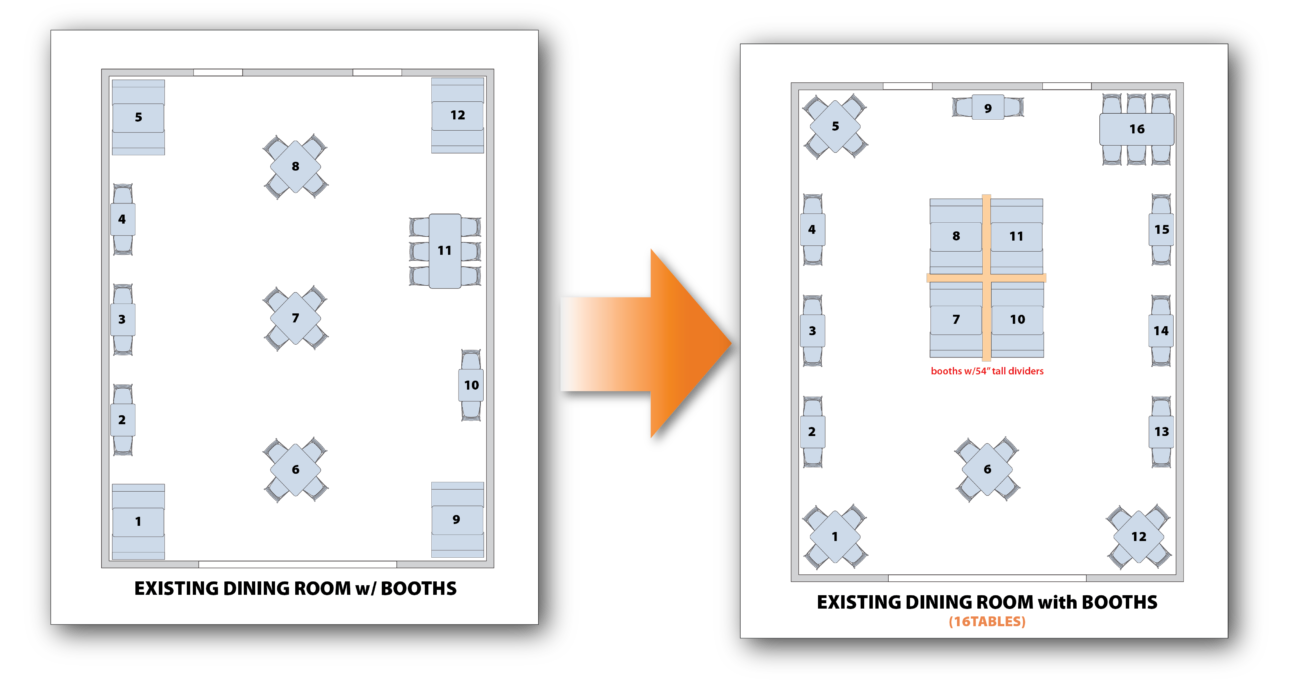
The cafe business is a thriving sector that combines atmosphere, service, and quality offerings to create a unique customer experience. Among the various elements that contribute to a cafe’s success, seating capacity plays a crucial role. Optimizing seating capacity is not just about cramming as many tables and chairs as possible into a space; it’s about finding the right balance between customer comfort and operational efficiency to maximize profit.
Understanding the Importance of Seating Capacity
Seating capacity directly affects a cafe’s revenue potential. More seats mean more customers can be served simultaneously, which can translate into higher sales. However, overfilling the space can lead to discomfort, reduced service quality, and a negative customer experience. Therefore, optimizing seating capacity requires careful consideration of several factors including layout design, customer flow, and operational dynamics.
Determining Your Cafe’s Ideal Seating Capacity
The ideal seating capacity for a cafe depends on various factors such as the size of the space, the type of service offered, and the target market. Here’s how to determine it:
1. **Analyze the Space:** Measure the total square footage and consider the legal requirements for minimum space per customer. This includes accounting for aisles, service areas, and accessibility needs.
2. **Consider Your Concept:** A quick-service cafe might prioritize high turnover with smaller tables, while a more relaxed, upscale establishment might choose fewer tables with more space to promote a leisurely dining experience.
3. **Evaluate Customer Flow:** Understand how customers move through your space. Ensure there is enough room for easy access to restrooms, exits, and the ordering counter.
Designing an Efficient Layout
A well-thought-out layout is crucial to optimizing seating capacity. The design should promote a smooth flow, enhance the dining experience, and accommodate as many guests as comfortably possible.
Maximize Floor Space
– **Flexible Furniture:** Use moveable tables and chairs that can be rearranged to accommodate different group sizes. This flexibility allows for better use of space during peak and off-peak hours.
– **Bar Seating:** Incorporate bar seating where appropriate. Bars or counters can provide additional seating options, especially for solo diners or quick visits.
– **Multi-Functional Areas:** Create areas that can serve multiple purposes, such as a lounge that can be converted into additional dining space during busy times.
Ensure Comfort and Accessibility
– **Adequate Aisle Space:** Maintain sufficient aisle space to allow servers to move easily and customers to feel comfortable without being cramped.
– **Accessibility Compliance:** Ensure that your layout complies with local accessibility laws, offering enough space for wheelchair access and other mobility needs.
Balancing Aesthetics with Functionality
While maximizing seating capacity is important, maintaining the aesthetic appeal of your cafe is equally crucial. A visually pleasing environment can enhance customer satisfaction and encourage repeat visits.
Choose the Right Furniture
– **Compact and Stylish:** Select furniture that is both compact and stylish. Sleek, minimalist designs can help save space while maintaining a modern look.
– **Durability:** Invest in durable furniture that can withstand the wear and tear of daily use without compromising on aesthetics.
Decor and Ambiance
– **Lighting:** Use lighting effectively to create an inviting atmosphere. Consider adjustable lighting options that can be altered depending on the time of day and mood.
– **Color Scheme:** Choose a color scheme that promotes comfort and relaxation. Softer tones can make a space feel more open and inviting.
Technology and Innovation in Seating Optimization
Utilizing technology can greatly enhance seating capacity optimization. From reservation systems to space management software, technology provides valuable tools for efficient operations.
Reservation Systems
– **Online Reservations:** Implement an online reservation system to manage bookings efficiently and reduce wait times. This can improve customer satisfaction and increase turnover.
– **Dynamic Seating Management:** Use systems that allow you to adjust seating arrangements based on real-time data, optimizing the use of available space.
Space Management Software
– **Layout Planning Tools:** Utilize software to create detailed floor plans and simulate different seating configurations. This can help in visualizing the most efficient layout before making actual changes.
Monitoring and Adjusting for Continuous Improvement
Optimization is an ongoing process that requires continuous monitoring and adjustments. Regularly analyze performance and customer feedback to identify areas for improvement.
Track Key Metrics
– **Customer Turnover Rate:** Measure how quickly tables turn over during different times of the day to identify peak hours and optimize staffing and seating arrangements accordingly.
– **Sales per Seat:** Calculate the revenue generated per seat to assess the profitability of your current seating configuration.
Gather Customer Feedback
– **Surveys and Reviews:** Use surveys and online reviews to gather feedback on customer comfort and satisfaction. This information can provide insights into necessary adjustments.
– **Observe Behavior:** Observe how customers interact with the space. Note any bottlenecks or areas where customers seem uncomfortable or rushed.
Conclusion
Optimizing cafe seating capacity for maximum profit involves a delicate balance between maximizing the number of customers and ensuring a comfortable, inviting environment. By carefully considering space, design, and customer flow, and by leveraging technology, cafes can enhance both their operational efficiency and customer satisfaction. Regular monitoring and willingness to adapt to feedback will ensure that seating capacity remains optimized to meet both business goals and customer expectations.
