

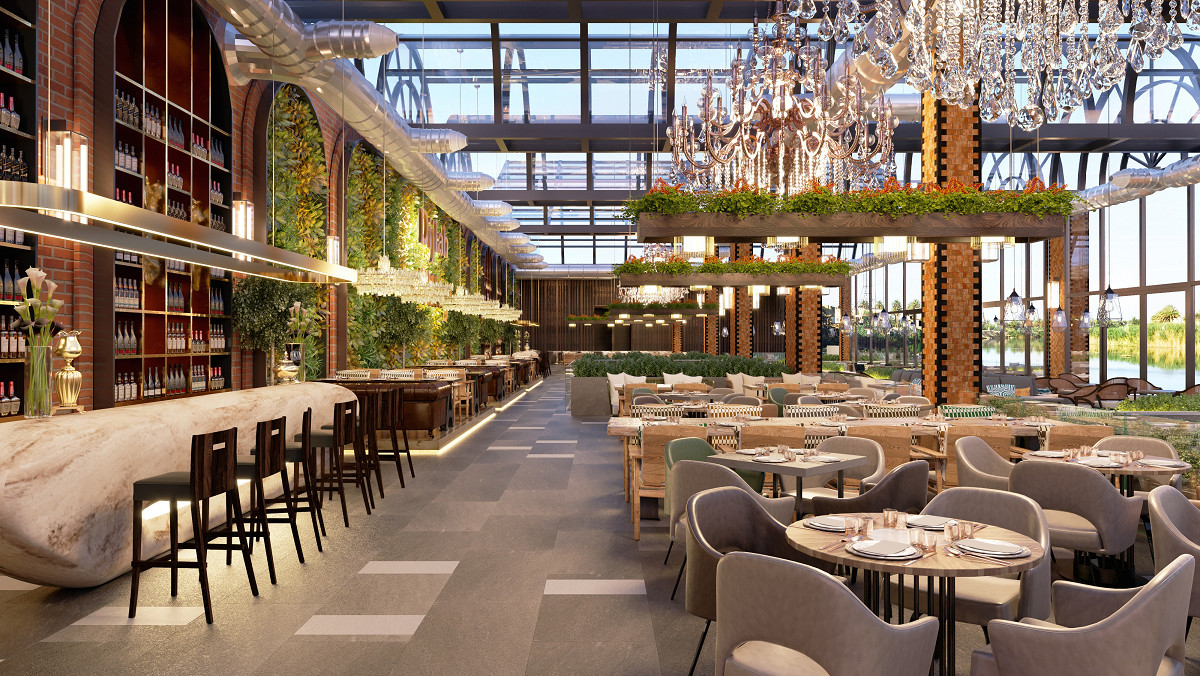
In the bustling world of cafés, where every detail contributes to the overall experience, optimizing layout for both efficiency and comfort is crucial. Whether you’re an aspiring café owner or looking to revamp an existing space, understanding how to balance operational efficiency with customer comfort can significantly impact your business’s success. This article explores key considerations and strategies for crafting an ideal café layout that harmonizes these two vital components.
Understanding Your Space
The first step in optimizing your café layout is understanding the physical space you have. Each café is unique, and factors such as size, shape, and location will influence your layout decisions. Conduct a thorough assessment of your space, noting any structural elements, such as windows, doors, and support columns, that will affect your layout options.
Evaluating Customer Flow
Customer flow is a critical aspect of café layout. Consider how customers will enter, order, and navigate through the space. A well-designed flow minimizes congestion and enhances the customer experience. Ensure there is a clear path from the entrance to the ordering counter and seating areas. Use signage strategically to guide customers and avoid bottlenecks.
Designing for Efficiency
Efficiency in a café layout pertains not just to customer movement but also to staff operations. A well-thought-out design facilitates seamless workflow, reduces stress, and improves service speed.
Optimizing the Service Area
The service area is the heart of your café. Position the counter, coffee machines, and other equipment where staff can easily access everything they need. A well-organized service area reduces unnecessary movement and allows staff to focus on serving customers efficiently. Consider the placement of your POS system to ensure smooth transactions.
Strategic Equipment Placement
Arrange equipment to minimize the distance staff need to travel between tasks. For instance, place the espresso machine near the grinder and milk frother to streamline coffee preparation. Similarly, position the sink, dishwasher, and storage areas for quick access. These small adjustments can significantly enhance operational efficiency.
Storage Solutions
Efficient storage solutions are essential for maintaining a tidy workspace. Use vertical storage options to maximize space and keep frequently used items within arm’s reach. Invest in shelving, hooks, and drawers to organize supplies, ingredients, and utensils. A clutter-free environment not only improves efficiency but also creates a more inviting atmosphere for customers.
Prioritizing Customer Comfort
While efficiency is vital, customer comfort should never be compromised. A welcoming and comfortable atmosphere encourages patrons to stay longer, increasing the likelihood of repeat business and positive reviews.
Seating Arrangements
Consider a variety of seating options to cater to different customer preferences. Offer a mix of tables, booths, and bar seating to accommodate solo visitors, couples, and groups. Pay attention to spacing, ensuring that tables are not too close together, allowing for privacy and ease of movement.
Lighting and Ambiance
Lighting plays a crucial role in setting the mood of your café. Natural light is ideal, so make the most of windows and skylights. For artificial lighting, opt for a combination of ambient, task, and accent lighting to create a warm and inviting atmosphere. Dimmer switches allow you to adjust the lighting based on the time of day and customer needs.
Acoustics
Consider the acoustics of your café to ensure a pleasant auditory experience. Use soft furnishings, such as cushions and curtains, to absorb noise and reduce echoes. Background music should be at a level that enhances the ambiance without overpowering conversation.
Incorporating Aesthetic Appeal
The design of your café should reflect your brand and create a memorable experience for customers. Aesthetic appeal is not just about looks but also about how the space feels and functions.
Brand Consistency
Your café’s layout should align with your brand identity. Choose colors, materials, and design elements that reflect the personality of your brand. Consistency in design creates a cohesive experience that resonates with customers and strengthens brand recognition.
Unique Design Elements
Incorporate unique design elements that make your café stand out. Whether it’s a striking mural, a distinctive piece of furniture, or a themed décor, these elements contribute to the overall ambiance and provide conversation starters for customers.
Flexibility and Adaptability
In a dynamic industry like food and beverage, flexibility is key. Your café layout should be adaptable to accommodate changes in customer preferences and business needs.
Modular Furniture
Invest in modular furniture that can be easily rearranged to suit different occasions and customer volumes. This flexibility allows you to host events, accommodate larger groups, or adjust seating arrangements during peak times.
Future-Proofing Your Design
Consider future growth and changes when designing your layout. Plan for additional seating, new equipment, or expanded service areas. Designing with scalability in mind ensures that your café can evolve without major disruptions.
Conclusion
Optimizing your café layout for maximum efficiency and comfort involves a careful balance of practical and aesthetic considerations. By understanding your space, designing for efficiency, prioritizing customer comfort, and incorporating aesthetic appeal, you can create a café environment that delights customers and enhances operational performance. Remember that flexibility and adaptability are key to long-term success, allowing your café to thrive in an ever-changing industry. With a thoughtful layout, your café can become a beloved destination for both regulars and newcomers, fostering a loyal customer base and a thriving business.
