

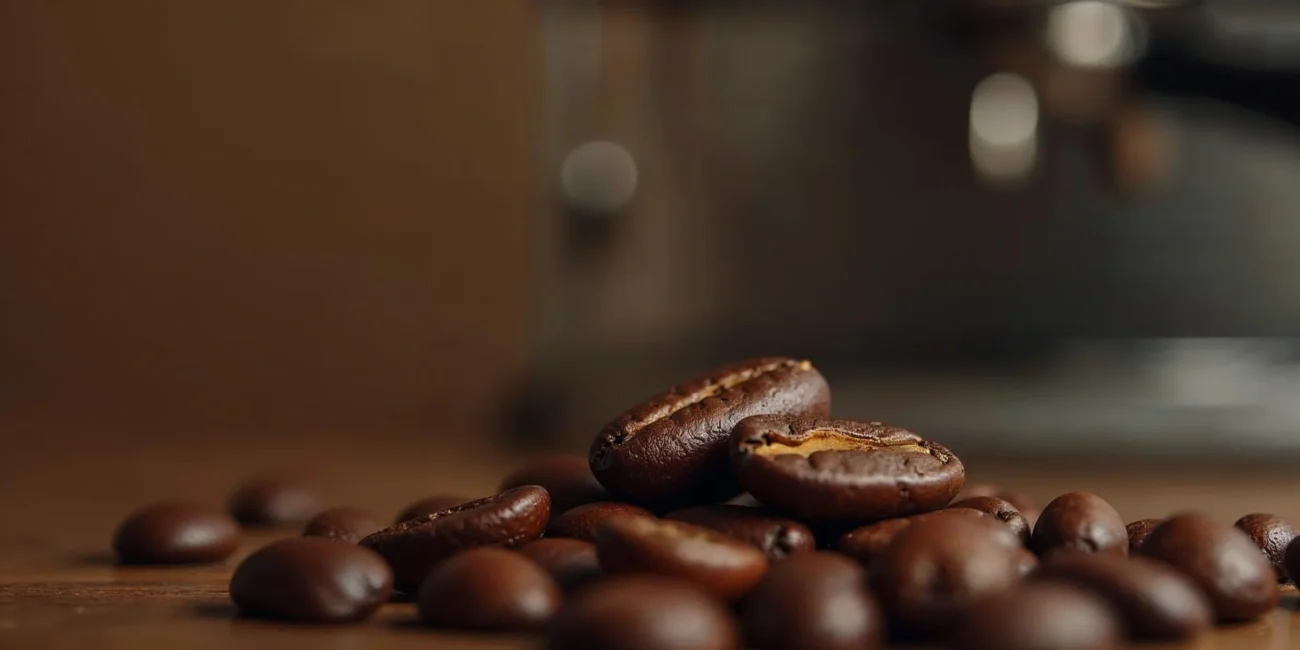
Coffee is not just a beverage; it’s an experience, a ritual, and for many, a daily necessity. An integral part of this experience is the roast level of the coffee, which profoundly influences its flavor, aroma, and overall character. Whether you’re a seasoned coffee connoisseur or a curious newcomer, understanding coffee roast levels can enhance your appreciation and enjoyment of coffee. In this guide, we’ll explore the various roast levels, their impact on flavor, and how to choose the right roast for your palate.
The Basics of Coffee Roasting
Coffee roasting is the process of applying heat to green coffee beans, transforming them into the aromatic, flavorful beans we know and love. During roasting, chemical changes occur, developing the beans’ flavor profiles. The roast level is determined by the temperature and duration of the roasting process. These factors influence the beans’ color, flavor, and caffeine content.
Light Roast
Light roast coffee is characterized by its light brown color and lack of oil on the surface of the beans. This roast level is achieved by roasting the beans to an internal temperature of approximately 356°F to 401°F (180°C to 205°C). The beans are typically removed from the roaster just before or at the first crack—a popping sound indicating the beans’ expansion.
Light roast coffee is known for its bright acidity, floral and fruity notes, and a more pronounced origin flavor. Because the beans are roasted for a shorter period, the original characteristics of the coffee, such as its terroir and varietal nuances, are more prominent. This makes light roast an excellent choice for single-origin coffees, as it allows the unique flavors of the region to shine through.
Medium Roast
Medium roast coffee is medium brown in color and often has a balanced flavor profile. The beans are roasted to an internal temperature of about 410°F to 428°F (210°C to 220°C) and are typically removed from the roaster between the first and second crack.
Medium roast strikes a balance between the original characteristics of the coffee and the flavors developed during roasting. It offers a well-rounded flavor with moderate acidity, a fuller body, and notes of caramel, nuts, and chocolate. This roast level is popular among coffee drinkers who enjoy a harmonious blend of bright and rich flavors.
Medium-Dark Roast
Medium-dark roast coffee has a richer, darker color and a slight sheen of oil on the surface of the beans. The beans reach an internal temperature of approximately 437°F to 446°F (225°C to 230°C), and they are roasted well into the second crack.
In medium-dark roast, the flavors developed during roasting begin to dominate the beans’ original characteristics. This roast level offers a bold flavor with lower acidity, a heavier body, and notes of spice, chocolate, and toasted nuts. Medium-dark roast is ideal for those who prefer a robust coffee with complex flavors.
Dark Roast
Dark roast coffee is dark brown, almost black, in color, with a shiny, oily surface. The beans are roasted to an internal temperature of about 464°F to 482°F (240°C to 250°C), often past the second crack.
Dark roast coffee is characterized by its bold, intense flavor, low acidity, and full-bodied mouthfeel. The roasting process imparts flavors of chocolate, caramel, and smoke, overshadowing the beans’ original characteristics. This roast level is favored by those who enjoy a strong, rich coffee experience.
Factors Influencing Coffee Flavor
In addition to roast level, several other factors influence the flavor of coffee, including the bean origin, processing method, and brewing technique. Understanding these elements can further enhance your coffee experience.
Bean Origin
The origin of the coffee beans plays a significant role in the flavor profile. For example, Ethiopian coffees often have bright, fruity notes, while Brazilian coffees tend to be nutty and chocolatey. The climate, soil, and altitude of the region all contribute to the unique characteristics of the beans.
Processing Method
The method used to process coffee cherries also impacts flavor. Washed processes tend to produce cleaner, brighter coffees, while natural processes result in fruitier, more complex flavors. Honey processed coffees fall somewhere in between, offering a balance of sweetness and clarity.
Brewing Technique
The brewing method can accentuate or mute certain flavors in the coffee. For example, a French press tends to highlight the body and richness of a dark roast, while a pour-over method can enhance the brightness and clarity of a light roast. Experimenting with different brewing techniques can help you discover new dimensions of flavor in your coffee.
Choosing the Right Roast
With so many roast levels and flavor profiles to choose from, finding the perfect coffee can be a delightful journey. Here are some tips to help you select the right roast for your taste preferences:
Understand Your Preferences
Consider what you enjoy most in a cup of coffee. Do you prefer bright, fruity flavors or rich, chocolatey notes? Understanding your flavor preferences can guide you toward the right roast level.
Experiment with Different Roasts
Don’t be afraid to try different roast levels to discover what you like best. Many coffee roasters offer sample packs that allow you to explore a range of flavors and aromas.
Consider Brewing Methods
Think about how you typically brew your coffee and choose a roast that complements your preferred method. For example, if you enjoy espresso, a medium-dark or dark roast may be ideal.
Conclusion
Mastering coffee roast levels is an essential step in elevating your coffee experience. By understanding the characteristics of different roast levels and how they impact flavor, you can make more informed choices and discover new favorites. Whether you prefer the bright acidity of a light roast or the bold intensity of a dark roast, there’s a world of flavors to explore and enjoy. So grab your favorite mug, brew a fresh cup, and savor the journey of mastering coffee roast levels.
