

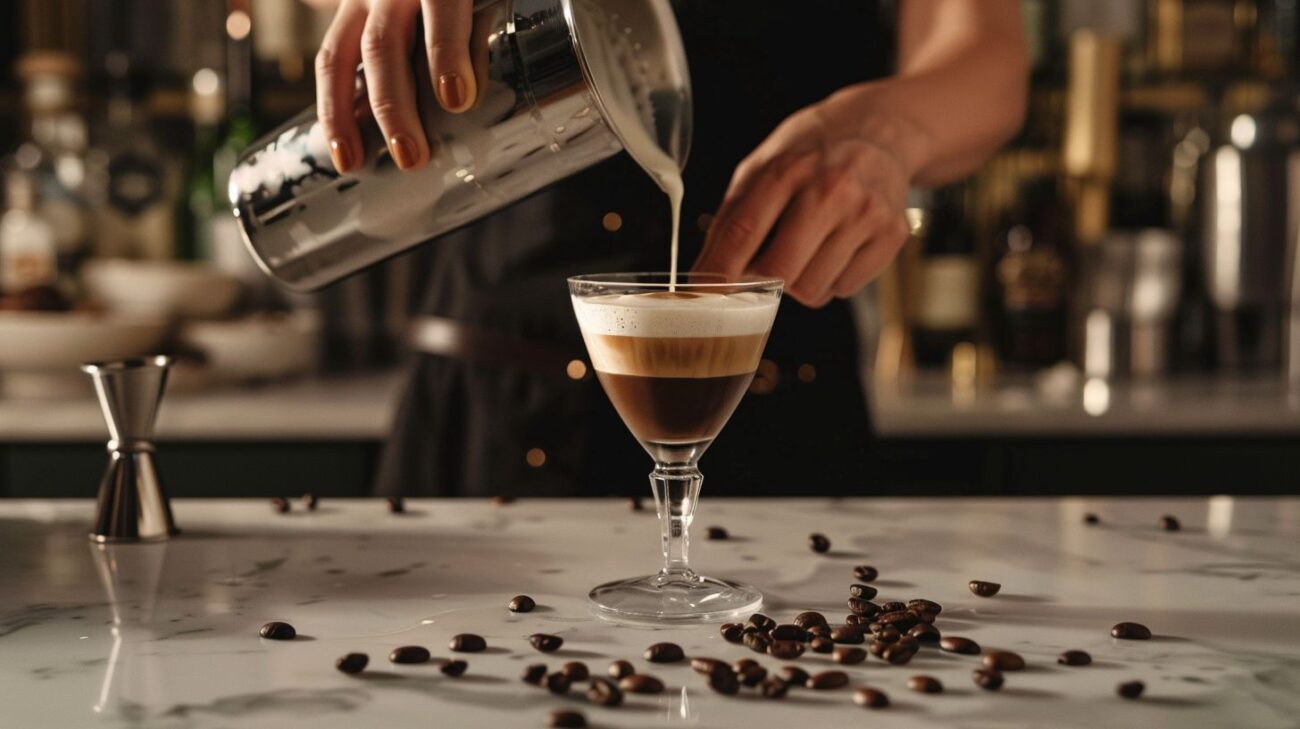
Coffee is more than just a beverage; it’s a global phenomenon with rich traditions and a diversity of flavors that delight millions. From its origins in the Ethiopian highlands to the bustling cafes of Paris, coffee has evolved into an art form. This guide aims to help you master the art of coffee drinks, exploring their origins, preparation methods, and nuances that make each cup unique.
The Journey of Coffee Beans
Understanding coffee begins with the bean. The journey from bean to cup involves several stages, each of which influences the final flavor.
Origins and Varieties
Coffee beans are primarily grown in the ‘Coffee Belt,’ an area that includes parts of Africa, Central and South America, and Asia. The two main species of coffee beans are Arabica and Robusta. Arabica beans are known for their smooth, complex flavors, while Robusta beans are more robust and bitter, often used in espresso blends.
Processing Methods
Coffee processing begins after harvesting and plays a crucial role in flavor development. The three main methods are:
– **Wet (or Washed) Process:** Beans are fermented to remove the mucilage, resulting in a clean and bright flavor.
– **Dry (or Natural) Process:** Beans are dried with their fruit intact, leading to a fruity and complex profile.
– **Honey Process:** A hybrid method where some mucilage is left on the bean, offering a balance between the two extremes.
Roasting: The Flavor Transformer
Roasting is where the magic happens. It transforms green coffee beans into the aromatic, flavorful coffee we love.
Roast Levels
Roast levels significantly affect taste. The main categories are:
– **Light Roast:** Retains most of the original coffee characteristics, often with fruity and acidic notes.
– **Medium Roast:** Balances acidity and body, with richer flavors and some caramelization.
– **Dark Roast:** Bold and robust, with diminished acidity and pronounced bitterness.
Roasting Techniques
Master roasters employ techniques like controlling temperature and time to bring out the desired flavors. Profiling each batch ensures consistency and quality.
Brewing Methods: Crafting the Perfect Cup
Brewing coffee is an art and a science. Different methods bring out different characteristics, and understanding them helps tailor your coffee experience.
Drip Brewing
This method involves pouring hot water over ground coffee, allowing it to drip through a filter. It’s common in household coffee makers and offers a clean, clear cup.
Espresso
Espresso is a concentrated form of coffee made by forcing hot water through finely-ground coffee. It serves as the base for many popular drinks like lattes, cappuccinos, and macchiatos.
French Press
This immersion method involves steeping coarse coffee grounds in hot water before pressing a plunger to separate them. It results in a full-bodied, rich cup.
Aeropress
A relatively new method, the Aeropress uses air pressure to push water through coffee grounds. It’s versatile and can mimic both drip and espresso styles.
Pour Over
This manual method involves pouring hot water over coffee grounds in a filter. It offers a high degree of control over brewing variables and produces a clean, flavorful cup.
Understanding Coffee Drinks
Once you have the base, it’s time to explore the world of coffee drinks. Here are some popular options and tips on how to make them.
Americano
An Americano is simply espresso diluted with hot water, resulting in a coffee similar in strength to drip coffee but with a different flavor profile.
Latte
A latte consists of espresso and steamed milk, topped with a small amount of milk foam. The key is achieving the right balance and texture of milk.
Cappuccino
Similar to a latte but with equal parts espresso, steamed milk, and milk foam. It’s a bit stronger and more robust in flavor.
Macchiato
An espresso “stained” with a small amount of milk or milk foam. It’s a bolder option for those who prefer a stronger coffee taste.
Mocha
A delightful fusion of espresso, steamed milk, and chocolate syrup, often topped with whipped cream. It’s perfect for those with a sweet tooth.
Mastering Coffee Craft
Crafting the perfect coffee drink requires more than just following a recipe. Here are some tips to elevate your coffee-making skills.
Quality Ingredients
Start with fresh, high-quality coffee beans. The water you use also matters; ideally, it should be filtered and free from impurities.
Consistent Grinding
A consistent grind is crucial for balanced extraction. Invest in a good quality burr grinder to achieve the desired grind size for each brewing method.
Precision and Patience
Pay attention to brewing variables such as coffee-to-water ratio, water temperature, and brewing time. Patience and precision will lead to the best results.
Experimentation and Tasting
Coffee is highly personal. Experiment with different beans, roasts, and methods to find your perfect cup. Regularly taste your brews and take notes to understand your preferences better.
Conclusion: The Ongoing Journey
Mastering coffee drinks is a rewarding journey, full of discovery and delight. Whether you’re a casual coffee drinker or an aspiring barista, the key is to enjoy the process and continually refine your skills. Coffee is as much about the experience as it is about the drink itself. As you explore the rich world of coffee, remember that each cup tells a story – of the farmer, the roaster, and you, the brewer. Embrace the journey, savor the flavors, and share your passion with others.
Further Reading and Resources
To deepen your understanding, consider exploring books, online courses, and communities dedicated to coffee. Engaging with other enthusiasts can offer new insights and inspiration.
By mastering the art of coffee drinks, you not only enhance your own experience but also contribute to the vibrant global coffee culture. Here’s to many more cups of delicious coffee in your journey ahead!
