

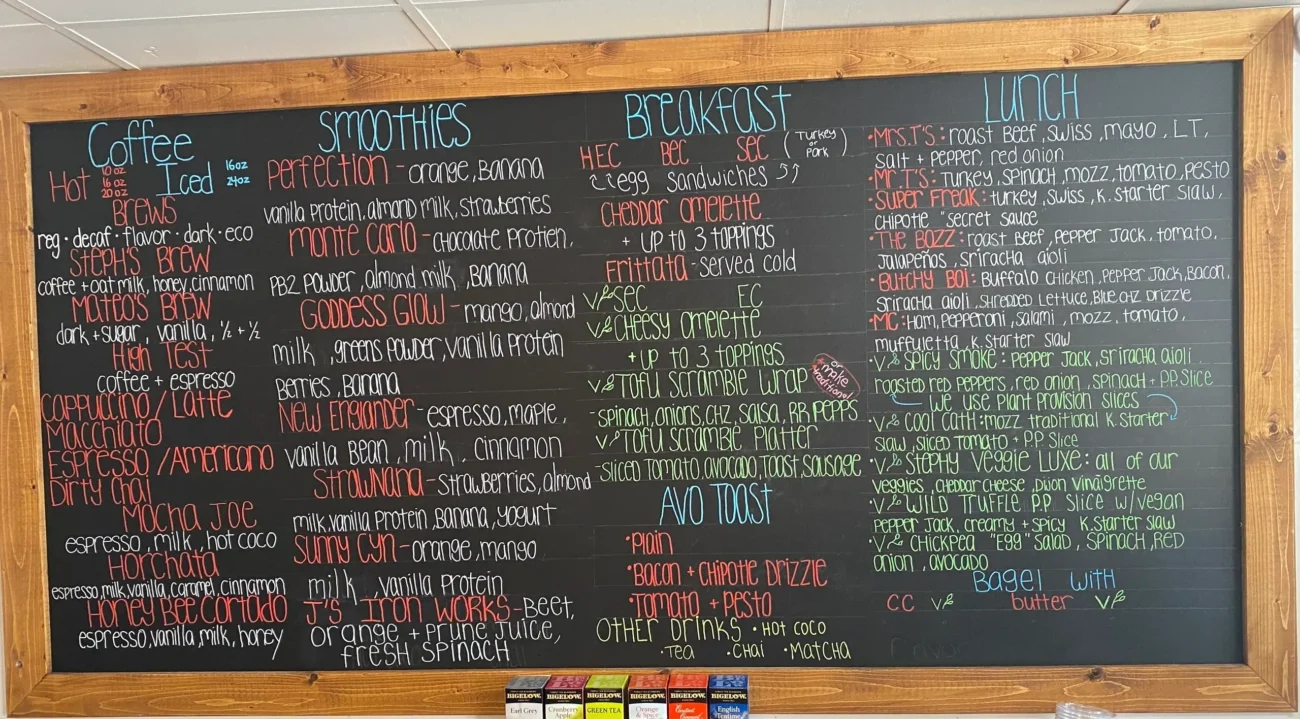
In the competitive world of the cafe business, having a well-curated menu is just one part of the equation for success. Equally important is the art and science of pricing your offerings appropriately. Pricing not only affects your profitability but also positions your brand in the marketplace. Mastering cafe menu pricing is essential for ensuring that your business remains viable, competitive, and profitable. This article delves into the strategies and considerations necessary for effective menu pricing.
Understanding Your Costs
The foundation of effective menu pricing lies in understanding your costs. This involves knowing precisely what it costs to produce each item on your menu, which encompasses both direct and indirect costs.
Direct Costs
Direct costs, or variable costs, are expenses that fluctuate with production levels. In a cafe setting, these include the cost of ingredients, packaging, and perhaps even labor if it varies with each item produced. For instance, the cost of coffee beans, milk, and disposable cups directly affects the pricing of a latte.
Indirect Costs
Indirect costs, or fixed costs, remain constant regardless of the volume produced. These include rent, utilities, salaries of permanent staff, and equipment depreciation. Understanding how these costs distribute across your menu items is crucial for pricing decisions. Allocating a portion of your fixed costs to each menu item helps in understanding their contribution to overall profitability.
Market Research and Competitive Analysis
Understanding your local market and competitors is vital. Conducting market research helps you to gauge what customers are willing to pay and how your pricing can differentiate you from competitors.
Know Your Audience
Identify your target demographic and understand their purchasing behavior. Are they looking for premium quality, or are they price-sensitive? Tailoring your pricing strategy to meet the expectations and preferences of your audience can significantly impact your sales volume and profitability.
Competitive Analysis
Analyze the pricing strategies of competitors. Visit other cafes, review their menus, and understand their pricing structure. This information can provide insights into market trends, help you identify gaps in the market, and refine your pricing strategy to offer better value or differentiation.
Pricing Strategies
There are several pricing strategies that cafes can adopt. Choosing the right one depends on your brand positioning, cost structure, and market conditions.
Cost-Plus Pricing
This is a straightforward method where you add a fixed percentage markup to the cost of producing each item. While simple to implement, it does not take into account consumer demand or competitor pricing and may not always maximize profitability.
Value-Based Pricing
This strategy involves setting prices based on the perceived value to the customer rather than the cost of the product. It requires a deep understanding of customer needs and how much they are willing to pay for the value you provide. High-end cafes often use this strategy to justify premium pricing.
Competitive Pricing
Competitive pricing involves setting your prices in line with those of your competitors. This approach is useful in highly competitive markets where price wars are common. However, it’s crucial to ensure that your costs allow for sustainable profitability under this strategy.
Dynamic Pricing
Dynamic pricing adjusts prices based on real-time demand and supply conditions. While more complex, it can maximize profits, especially during peak times. For example, a cafe might charge more for its offerings during lunchtime rush hours compared to off-peak periods.
Psychological Pricing Techniques
Psychological pricing can influence consumer perceptions and purchasing decisions. These techniques leverage the psychological impact of pricing on consumer behavior.
Charm Pricing
This involves setting prices a little below a round number (e.g., $4.99 instead of $5.00). Customers perceive these prices as significantly lower, which can increase sales.
Price Bundling
Offer combinations of products at a reduced price compared to buying each item separately. This technique encourages customers to spend more by purchasing additional items they wouldn’t have considered otherwise.
Anchor Pricing
Present a higher-priced item alongside your main offering to make the latter appear more reasonably priced. This technique helps in framing customers’ perception of value.
Monitoring and Adjusting Prices
Once prices are set, continuous monitoring is essential to ensure they remain optimal. External factors such as changes in ingredient costs, shifts in consumer preferences, and economic conditions can affect your pricing strategy.
Regular Cost Reviews
Conduct regular reviews of your direct and indirect costs to ensure they have not changed significantly. Adjust prices accordingly to maintain profitability while still offering value to customers.
Customer Feedback
Gathering feedback from customers about pricing can provide valuable insights. Are customers satisfied with the value they receive for the price? Use surveys, social media, and direct interactions to collect this data.
Sales Data Analysis
Analyze your sales data to understand which items are performing well and which are not. This data can help identify potential adjustments in pricing or menu offerings to improve profitability.
Conclusion
Mastering cafe menu pricing is a dynamic and ongoing process that requires a thorough understanding of costs, market conditions, and consumer behavior. By employing a blend of pricing strategies and psychological techniques, and by continuously monitoring and adjusting your prices, you can ensure your cafe remains profitable and competitive. A well-priced menu not only contributes to the financial health of your business but also enhances customer satisfaction and loyalty.
