

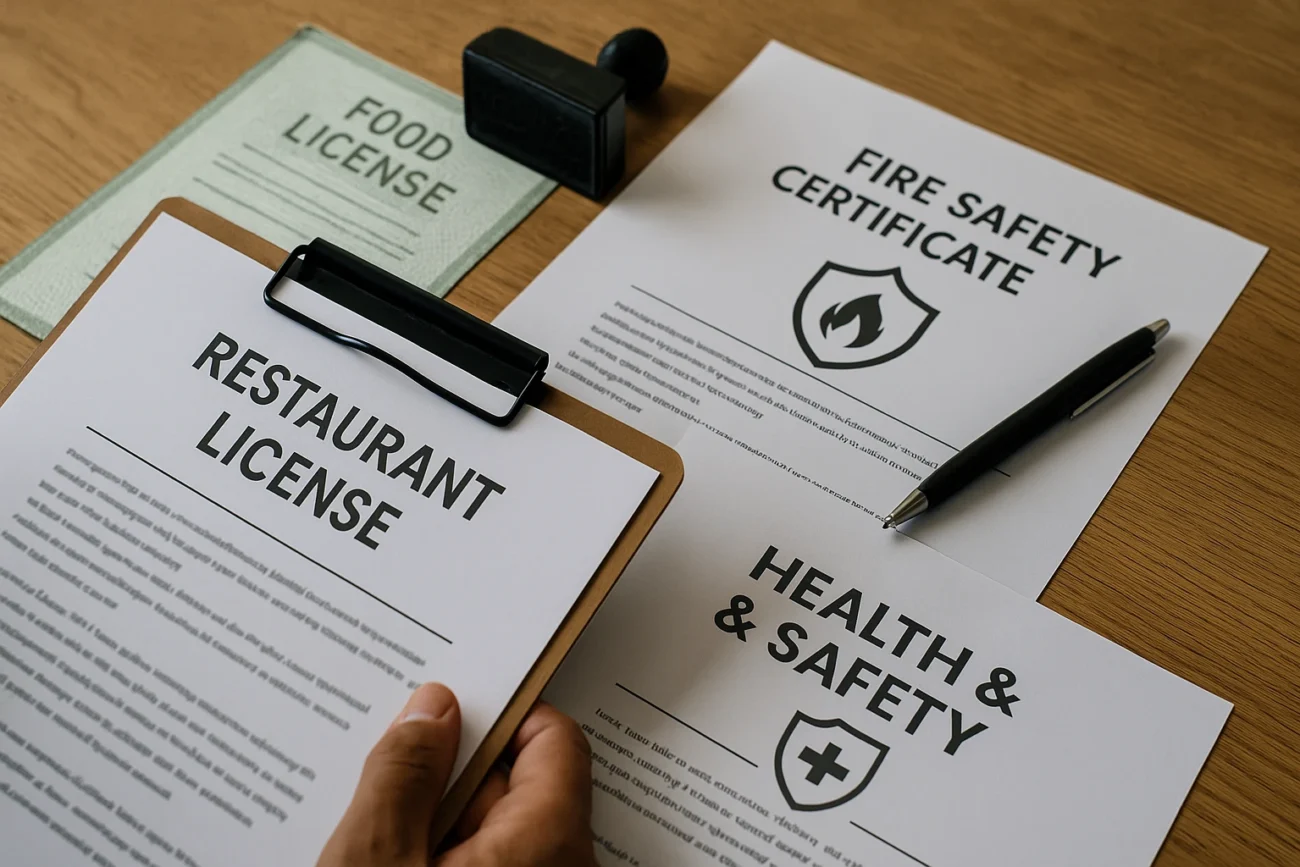
Opening a cafe is an exciting venture that requires creativity, passion, and meticulous planning. Among the myriad of tasks involved, securing the appropriate licenses stands out as a critical step in ensuring the legality and success of your cafe. Navigating the licensing landscape can be daunting, yet understanding the essential requirements is crucial for a smooth operation. This article unveils the key components of cafe licensing, providing a comprehensive guide to mastering this vital aspect of cafe setup and operations.
Understanding the Importance of Cafe Licensing
Licensing is a fundamental aspect of operating a cafe, ensuring compliance with local, state, and federal regulations. Proper licensing serves multiple purposes: it legitimizes your business, protects public health and safety, and enables you to operate within the legal framework. Failure to obtain the necessary licenses can result in fines, legal issues, and even the closure of your cafe. Therefore, understanding and acquiring the appropriate licenses is not just a legal obligation but a strategic business move.
Identifying the Types of Licenses Required
Various licenses are required to operate a cafe, each serving a specific purpose. While requirements may vary based on location and business model, several common licenses are universally applicable. Here’s a breakdown of the essential licenses:
Business License
A business license is the cornerstone of any legal business operation. This license grants you the authority to operate your cafe within a specific jurisdiction. Obtaining a business license typically involves registering your business name, providing details about your business activities, and paying a fee. Ensure you renew this license periodically to remain compliant.
Food Service License
The food service license is crucial for any establishment serving food and beverages. Issued by the local health department, this license ensures your cafe meets health and safety standards. The process usually involves a thorough inspection of your premises, including kitchen facilities, hygiene practices, and food storage methods. Regular health inspections are conducted to maintain compliance.
Health Permit
Closely related to the food service license, a health permit certifies that your cafe complies with health codes and regulations. It is essential for safeguarding public health and is typically issued after a successful health inspection. The health department will assess cleanliness, food handling procedures, and employee hygiene before granting this permit.
Signage Permit
Signage is an integral part of your cafe’s branding and marketing strategy. However, displaying signs often requires a signage permit from the local zoning or planning department. This permit ensures that your signs adhere to size, placement, and design regulations, preserving the aesthetic of the community.
Liquor License
If your cafe plans to serve alcoholic beverages, obtaining a liquor license is imperative. This process can be complex due to strict regulations governing the sale of alcohol. The requirements and types of liquor licenses vary depending on the location and the type of alcohol you intend to serve. Be prepared for a rigorous application process and ongoing compliance checks.
The Application Process: Steps to Success
Securing the necessary licenses involves a series of steps that require careful planning and execution. Here is a step-by-step guide to navigating the licensing process effectively:
Research and Planning
Begin by researching the specific licensing requirements for cafes in your area. Reach out to local authorities, such as the health department and business bureau, to gather accurate information. Understanding the legal landscape will help you anticipate potential challenges and streamline the application process.
Prepare Documentation
Gather all necessary documentation before applying for licenses. Commonly required documents include a business plan, proof of ownership or lease agreement, identification, and tax identification number. For food service and health permits, prepare detailed information about your menu, kitchen layout, and food safety practices.
Complete Applications
Once you have the required documents, complete the application forms for each license. Pay close attention to the details, ensuring accuracy and completeness. Missing or incorrect information can delay the approval process, so it’s crucial to double-check everything before submission.
Schedule Inspections
Inspections are a pivotal part of the licensing process, particularly for food service and health permits. Coordinate with the relevant authorities to schedule inspections at a convenient time. Prepare your cafe thoroughly, addressing any potential issues that could arise during the inspection.
Pay Fees
Each license typically involves a fee, which varies depending on the type of license and your location. Ensure you budget for these expenses in your overall cafe setup costs. Paying fees promptly is essential to avoid delays in processing your applications.
Follow Up
After submitting your applications and completing inspections, follow up with the licensing authorities to track the progress of your applications. Regular follow-ups demonstrate your commitment and can expedite the approval process. Be prepared to address any additional requirements or questions that may arise.
Maintaining Compliance: Ongoing Responsibilities
Securing licenses is not a one-time task but an ongoing responsibility. Staying compliant involves adhering to regulations, renewing licenses, and adapting to changes in the legal landscape. Here’s how to maintain compliance effectively:
Regular Renewals
Most licenses require periodic renewal, typically on an annual or bi-annual basis. Mark renewal dates on your calendar and set reminders to ensure timely compliance. Failing to renew licenses can result in penalties or the suspension of your operations.
Stay Informed
Laws and regulations governing the food service industry can change. Stay informed about any updates or amendments to licensing requirements by subscribing to industry newsletters, attending workshops, or joining local business associations. Being proactive in understanding changes will help you adapt quickly and maintain compliance.
Training and Education
Invest in ongoing training and education for yourself and your staff to uphold high standards of food safety and customer service. Many health departments offer courses and certifications that can enhance your team’s skills and knowledge, contributing to a safer and more efficient operation.
Conclusion
Mastering cafe licensing is an essential component of running a successful cafe. By understanding the types of licenses required, navigating the application process, and maintaining compliance, you lay the groundwork for a thriving business. While the licensing process can be complex and time-consuming, it is a vital investment in the longevity and legitimacy of your cafe. By prioritizing licensing, you protect your business, ensure public safety, and contribute to the vibrant tapestry of the cafe industry.
