

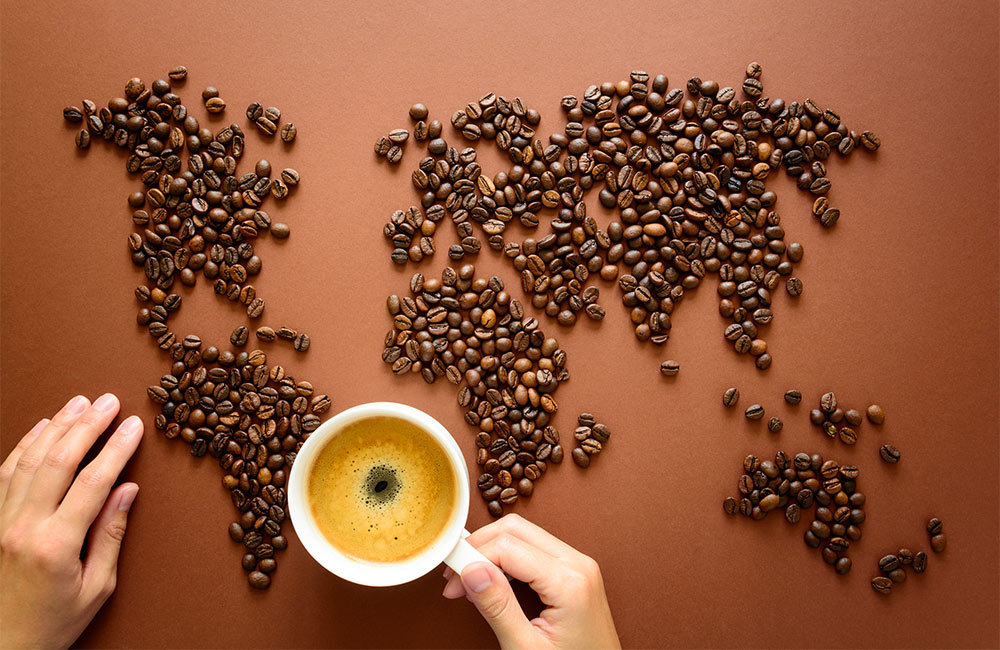
The aroma of freshly brewed coffee wafts through the air, mingling with the soft chatter of patrons and the gentle clinking of cups. This is the essence of cafe culture, a vibrant tapestry woven with diverse threads from around the globe. Independent cafes offer more than just a caffeine fix; they are cultural hubs where ideas flourish, communities connect, and the art of coffee is celebrated. In this article, we delve into the unique and colorful world of independent cafe culture, exploring its significance and the creativity it inspires in different corners of the globe.
The Heartbeat of Community
Independent cafes serve as the heartbeat of many communities. Unlike their chain counterparts, these cafes are often owned and operated by locals, and they reflect the personality and culture of the neighborhoods they inhabit. Each cafe has its own story to tell, and stepping inside offers a glimpse into the soul of the community.
In cities like Melbourne, Australia, independent cafes are integral to the local lifestyle. Known for its thriving coffee scene, Melbourne boasts a plethora of unique cafes, each with its own character and charm. These establishments have become gathering places where people from all walks of life come together to share stories, ideas, and experiences.
The Art of Coffee
At the heart of independent cafe culture lies the art of coffee. Unlike mass-produced beverages, coffee in these establishments is often crafted with care and precision. Baristas are seen as artisans, skilled in the intricate dance of grinding, tamping, and extracting espresso. The result is a cup of coffee that is not just a drink but a work of art.
In Italy, the birthplace of espresso, coffee is an integral part of daily life. Independent cafes, or “bar” as they are locally known, are ubiquitous, serving as both social hubs and caffeine stops. The Italian cafe culture is steeped in tradition, where patrons stand at the bar to sip their espresso while engaging in animated conversations.
A Canvas for Creativity
Independent cafes are also canvases for creativity, providing spaces where art, music, and literature converge. In cities like Portland, Oregon, cafes often double as art galleries, showcasing the works of local artists. Live music events and poetry readings are common, turning these spaces into vibrant cultural venues.
In Tokyo, Japan, themed cafes are a testament to the city’s innovative spirit. From cat cafes to manga-inspired spaces, Tokyo’s cafe culture is a fusion of creativity and quirkiness. These cafes offer unique experiences that go beyond the traditional cup of coffee, attracting locals and tourists alike who seek something out of the ordinary.
The Rise of the Third Wave
The global coffee scene has undergone a transformation in recent years, with the emergence of the “third wave” coffee movement. This movement emphasizes sustainability, quality, and a deeper appreciation for the origins of coffee. Independent cafes have been at the forefront of this revolution, championing ethically sourced beans and transparent supply chains.
In Seattle, Washington, the birthplace of the third wave movement, cafes prioritize direct relationships with coffee farmers, ensuring fair wages and sustainable practices. This commitment to ethical sourcing reflects a broader shift in consumer consciousness, as patrons increasingly seek out cafes that align with their values.
Cafes as Cultural Crossroads
Independent cafes are cultural crossroads, where diverse voices and perspectives intersect. In cities like Istanbul, Turkey, cafes have historically served as meeting points for intellectuals, writers, and artists. The city’s rich cafe culture is a testament to its position as a bridge between East and West, where ideas and traditions merge.
In New York City, cafes are microcosms of the city’s multicultural tapestry. From Harlem to Brooklyn, independent cafes celebrate the diversity of their communities, offering menus that reflect a fusion of global flavors. These establishments foster inclusivity and provide spaces where people from different backgrounds can come together to exchange ideas and build connections.
The Digital Nomad Haven
In the age of remote work, cafes have become havens for digital nomads and freelancers seeking an inspiring environment to work from. Cities like Chiang Mai, Thailand, have emerged as hotspots for digital nomads, thanks in part to their vibrant cafe culture. These cafes offer fast Wi-Fi, comfortable seating, and a welcoming atmosphere, making them ideal workspaces for those on the go.
In Berlin, Germany, cafes have adapted to the needs of the modern workforce by offering coworking spaces and community events. This blend of productivity and social interaction has made cafes indispensable to the digital nomad lifestyle, blurring the lines between work and leisure.
Sustainability and Innovation
Independent cafes are also leading the charge in sustainability and innovation. As the world grapples with environmental challenges, cafes are adopting eco-friendly practices to reduce their carbon footprint. From compostable cups to zero-waste initiatives, these establishments are setting new standards for sustainability in the coffee industry.
In Copenhagen, Denmark, cafes are renowned for their commitment to sustainability. Many establishments prioritize organic and locally sourced ingredients, and some even operate on a zero-waste model. This dedication to environmental responsibility is not only a reflection of the city’s progressive values but also a testament to the cafe’s role as stewards of the planet.
Cafe Culture and Social Change
Beyond their role as purveyors of coffee, independent cafes have become catalysts for social change. In cities like San Francisco, California, cafes are often at the forefront of social movements, providing platforms for activism and community engagement. These spaces foster dialogue on important issues, from social justice to environmental sustainability.
In Cape Town, South Africa, cafes have played a pivotal role in promoting social entrepreneurship. Many establishments support local artisans and provide training programs for disadvantaged youth, helping to uplift communities and drive positive change. This intersection of business and social impact highlights the transformative power of cafe culture.
The Global Cafe Scene
As we explore the vibrant world of independent cafe culture, it becomes evident that each city and country brings its own unique flavor to the global coffee scene. From the minimalist aesthetics of Scandinavian cafes to the bustling energy of Latin American coffee houses, the diversity of cafe culture is a testament to the universal love for coffee and community.
In Ethiopia, the birthplace of coffee, the traditional coffee ceremony remains an integral part of the culture. This ritual, which involves roasting, grinding, and brewing coffee, is a symbol of hospitality and friendship. Ethiopian cafes offer a glimpse into this rich tradition, inviting patrons to experience the warmth and generosity of local culture.
Conclusion
The vibrant world of independent cafe culture is a celebration of creativity, community, and the art of coffee. These establishments are more than just places to grab a drink; they are cultural landmarks that reflect the values and aspirations of their communities. From Melbourne to Tokyo, each cafe tells a unique story, inviting patrons to become part of a global narrative that transcends borders.
As we continue to explore and appreciate the diverse tapestry of independent cafes, we recognize their significance as spaces of connection, innovation, and social change. In a world that often feels divided, these cafes remind us of the power of coffee to bring people together, one cup at a time.
