

Coffee is more than just a beverage; it’s a cultural phenomenon, a ritual that millions of people around the world indulge in daily. Among the myriad of coffee drinks available, espresso and latte stand out as two of the most popular choices. Each has its loyal fans, fervently debating the merits of their favorite cup. In this article, we’ll delve into the world of espresso and latte, exploring their origins, preparation methods, flavor profiles, and cultural significance. By the end, you’ll be equipped with the knowledge to decide which one reigns supreme in the ultimate coffee showdown.
The Essence of Espresso
Origin and History
Espresso, a concentrated form of coffee, originated in Italy in the early 20th century. The word “espresso” itself is derived from the Italian word for “express” or “fast,” a nod to the quick brewing process that characterizes this intense coffee shot. Espresso quickly became a staple of Italian coffee culture and eventually spread across the globe, influencing the creation of numerous coffee beverages.
Preparation and Characteristics
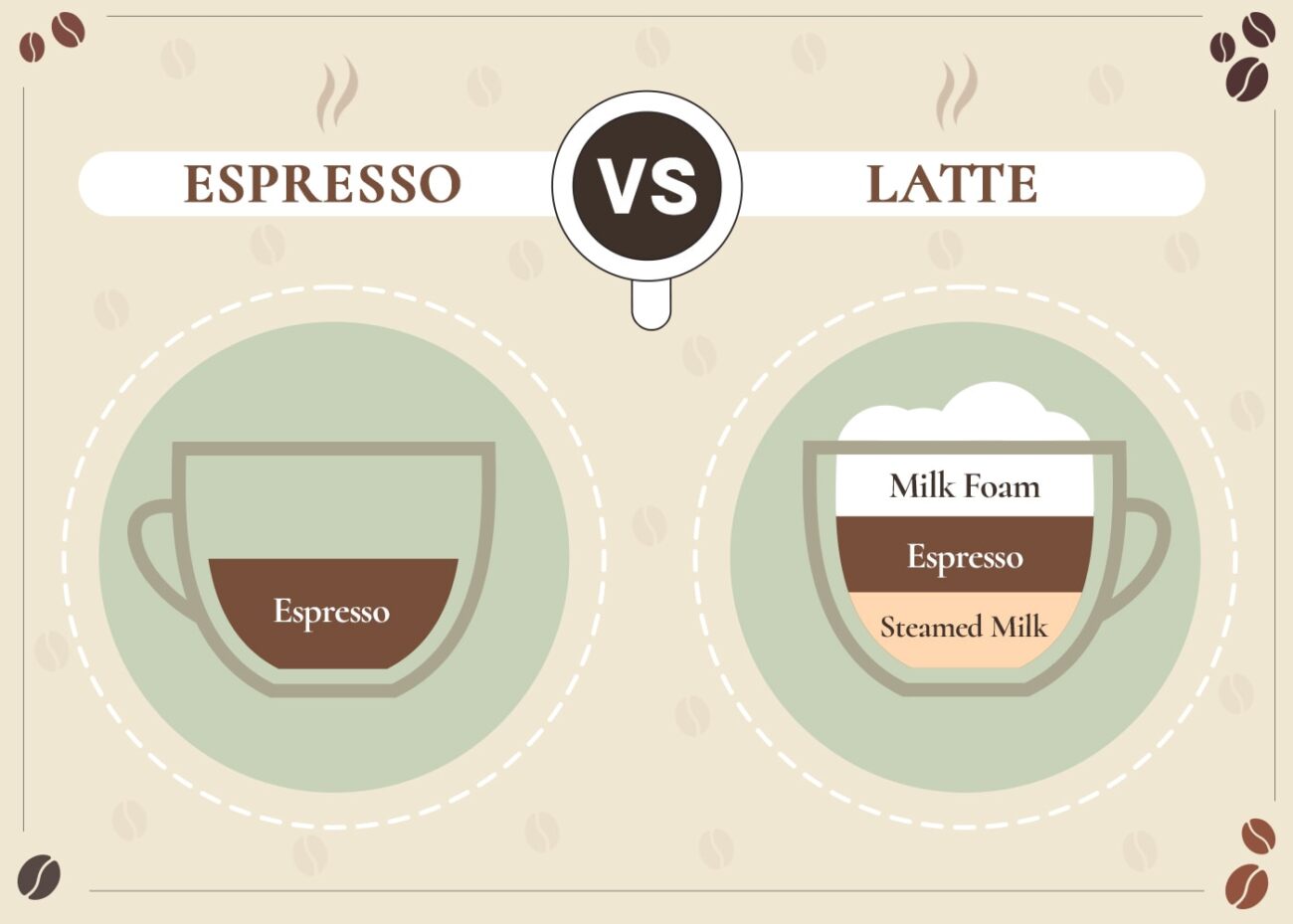
The hallmark of a true espresso lies in its preparation. It requires finely ground coffee beans and an espresso machine capable of delivering high pressure. During the brewing process, hot water is forced through the coffee grounds at approximately nine bars of pressure, producing a shot of espresso in about 25 to 30 seconds. This method extracts the coffee’s rich flavors and oils, resulting in a thick, viscous liquid with a characteristic crema on top.
Espresso is known for its robust and intense flavor, with tasting notes that can range from chocolatey and nutty to fruity and acidic. It is typically served in small, 1-ounce portions, perfect for savoring its complex characteristics.
The Allure of a Latte
Origin and History
The latte, short for “caffè latte,” also has its roots in Italy. The term translates to “milk coffee,” and it became popular as a breakfast drink among Italians. The modern latte as we know it today gained widespread recognition in the United States in the 1980s, thanks to the rise of coffeehouse culture. The drink’s creamy texture and versatility have since made it a favorite in cafes worldwide.
Preparation and Characteristics
A latte is a harmonious blend of espresso and steamed milk, topped with a thin layer of milk foam. The typical ratio is one part espresso to three parts steamed milk, though this can vary depending on personal preference. The milk is steamed to a velvety microfoam, which adds a smoothness to the drink and allows for latte art—a beloved aspect of the latte experience.
Lattes are known for their creamy, mellow flavor, making them an excellent choice for those who prefer a less intense coffee experience. They are often served in larger cups, ranging from 8 to 16 ounces, providing a leisurely and comforting coffee experience.
Espresso vs. Latte: The Flavor Showdown
Intensity and Body
When it comes to intensity, espresso takes the lead. Its concentrated nature means that each sip is packed with bold, complex flavors. The crema, a golden layer of emulsified oils and gases, adds a unique texture and depth to the espresso experience.
In contrast, lattes offer a more subdued coffee flavor due to the significant amount of milk. The steamed milk softens the espresso’s intensity, resulting in a creamy, smooth beverage. This makes lattes a popular choice for those who prefer a gentler introduction to the world of coffee.
Flavor Profiles
Espresso’s flavor profile is diverse and can vary widely depending on the beans used, the roasting process, and the skill of the barista. Common notes include chocolate, caramel, nuts, and even fruity or floral undertones. The crema adds a layer of sweetness and body that enhances the overall experience.
Lattes, on the other hand, are characterized by their creamy, milky flavor. The espresso provides a rich base, but the steamed milk dominates the palate. This makes lattes an ideal canvas for flavored syrups or spices, allowing for endless customization to suit individual tastes.
Cultural Significance
Espresso: The Heart of Italian Coffee Culture
In Italy, espresso is more than just a drink; it’s a way of life. Italians often start their day with a quick shot of espresso at the local bar, standing at the counter and chatting with the barista. Espresso is also a social connector, enjoyed throughout the day as a pick-me-up or a reason to gather with friends.
The simplicity and tradition of espresso-making have made it a symbol of Italian coffee culture, celebrated for its purity and intensity.
Latte: A Global Coffee Trend
The latte, with its creamy texture and adaptability, has become a global coffee sensation. Its rise in popularity can be attributed to the burgeoning coffeehouse culture, where lattes are often customized with flavored syrups, alternative milks, and artful presentations.
Lattes are enjoyed by people from all walks of life, often seen as a comforting indulgence or a creative canvas for baristas. The drink’s versatility and widespread appeal have solidified its place in modern coffee culture.
Health Considerations
Caloric Content
When it comes to caloric content, espresso is the clear winner for those watching their intake. A shot of espresso contains minimal calories, usually under 10. This makes it an excellent choice for those seeking a low-calorie caffeine boost.
Lattes, however, contain more calories due to the addition of steamed milk. Depending on the size and type of milk used, a latte can range from 100 to 250 calories or more. Choosing low-fat or non-dairy milk options can help reduce the caloric content.
Caffeine Content
Espresso is renowned for its high caffeine concentration, with a typical single shot containing about 63 milligrams of caffeine. This potent dose is part of what gives espresso its reputation as a quick energy booster.
Lattes contain less caffeine per volume due to the dilution with milk. However, because they are usually larger in size, the total caffeine content can be similar to that of an espresso. For instance, a standard 12-ounce latte typically contains about 63 to 125 milligrams of caffeine.
Conclusion: The Ultimate Coffee Showdown
In the showdown between espresso and latte, the ultimate winner depends on personal preference and context. Espresso, with its bold and intense flavor, appeals to coffee purists and those seeking a quick, invigorating shot. Its cultural significance in Italy adds to its allure as a timeless classic.
On the other hand, lattes offer a creamy, comforting experience that can be tailored to individual tastes. Their versatility and widespread popularity make them a favorite among coffee enthusiasts looking for a leisurely, customizable drink.
Ultimately, the choice between espresso and latte comes down to individual taste, lifestyle, and cultural influences. Both have their unique charms and merits, and each plays a significant role in the rich tapestry of global coffee culture. Whether you’re an espresso aficionado or a latte lover, there’s no wrong choice in this ultimate coffee showdown.
