

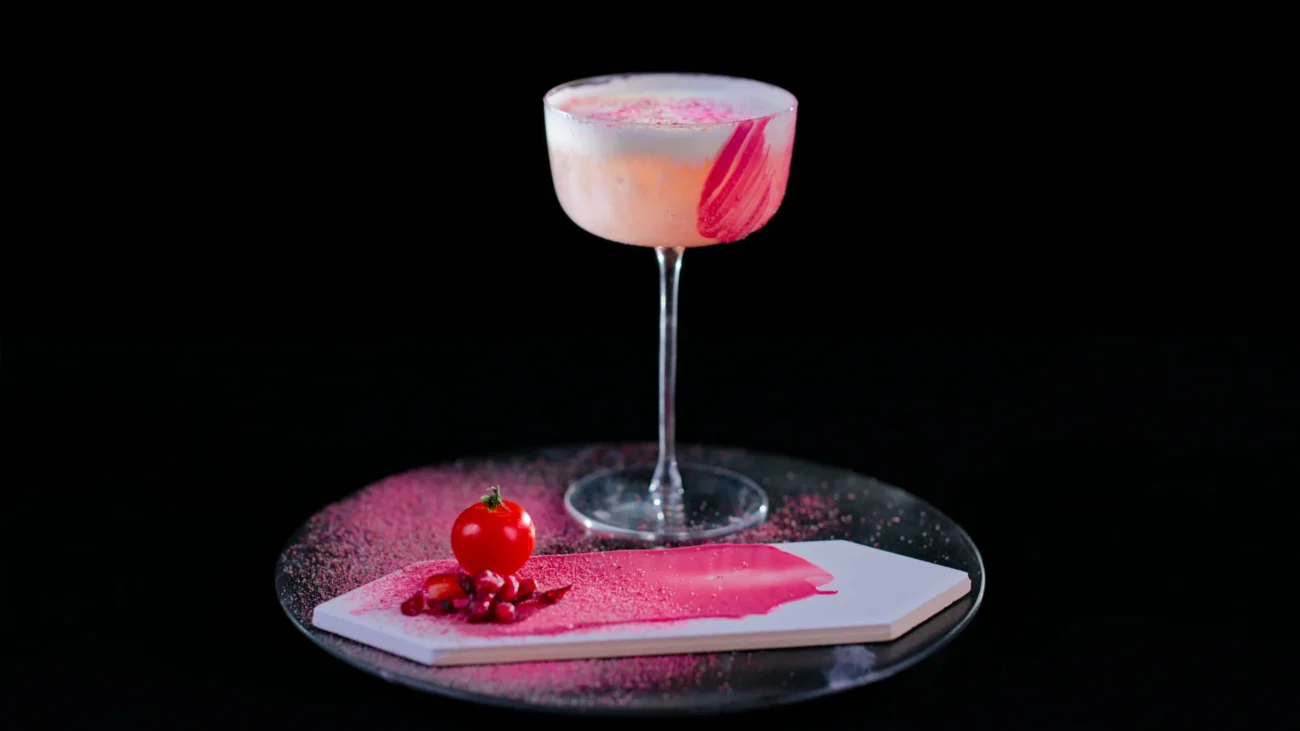
In the dynamic world of cafes and coffee shops, first impressions are everything. While the taste of a drink is paramount, the presentation is what initially captivates a customer and sets the stage for their overall experience. Mastering eye-catching cafe drink presentation techniques can elevate a simple beverage into a work of art that not only satisfies the palate but also delights the senses. This article explores various strategies for creating visually stunning drinks that can transform an ordinary cafe visit into a memorable occasion.
The Importance of Drink Presentation
The phrase “we eat with our eyes first” holds true not only for food but also for beverages. A well-presented drink can enhance the perceived flavor and quality, creating a multisensory experience for the customer. In an era where social media shares and Instagram stories are a part of daily life, an aesthetically pleasing drink can also serve as free marketing for cafes, enticing more customers to visit.
Understanding the Basics of Drink Presentation
Glassware and Its Impact
The choice of glassware is foundational to drink presentation. The shape and size of the glass can influence the drink’s aroma and flavor while also affecting its visual appeal. For instance, a latte served in a tall, slender glass may appear more elegant, while a flat white might benefit from a shorter, wider cup that highlights its creamy top.
Color Coordination
Colors can evoke emotions and set the tone of the drinking experience. Using contrasting colors can create a striking visual impact. For example, a vibrant matcha latte with its bright green hue can be complemented with a sprinkle of red rose petals. Similarly, a layered iced coffee with distinct brown and cream layers can be a feast for the eyes.
Texture and Consistency
Texture plays a crucial role in drink presentation. A perfectly frothed milk topping on a cappuccino or a silky smooth foam on a macchiato can elevate the drink’s allure. Baristas should also pay attention to the consistency of the drink components; a well-mixed drink should flow seamlessly without any visible separation, unless intentional for a layered effect.
Advanced Techniques for Eye-Catching Presentation
Latte Art
Latte art is one of the most popular techniques for enhancing coffee presentation. Skilled baristas can create intricate designs such as hearts, tulips, and rosettas using steamed milk. Mastering latte art requires practice and precision, as the milk’s texture and temperature significantly affect the outcome. Advanced baristas can even attempt etching techniques to draw more complex images on the coffee’s surface.
Layered Drinks
Layered drinks offer a striking visual effect by allowing customers to see the different components before mixing. Creating a successful layered drink involves careful pouring techniques and understanding the specific gravity of each ingredient. Drinks like the classic Irish coffee or a multi-layered iced tea can impress customers with their distinct layers and colors.
Garnishes and Edible Decor
Garnishes are an excellent way to add a touch of elegance and flavor to a drink. Fresh herbs, citrus peels, edible flowers, and even spices like cinnamon or nutmeg can enhance both the appearance and aroma of the beverage. It’s important to use garnishes that complement the drink’s flavor profile, ensuring they enhance rather than overpower the main ingredients.
Incorporating Trends and Innovations
Edible Glitter and Color-Changing Drinks
The use of edible glitter and color-changing ingredients can add an element of surprise and wonder to drinks. Edible glitter can be sprinkled on top of drinks to add sparkle, while ingredients like butterfly pea flower tea can change color when mixed with acidic components. These techniques create a magical experience that can captivate customers of all ages.
Interactive and DIY Elements
Interactive drinks that allow customers to participate in the presentation process can enhance their experience. Serving a deconstructed beverage with separate components that customers can mix themselves adds a playful element. Additionally, providing tools like stirrers or droppers can give customers a sense of control and creativity over their drink.
Conclusion
Mastering eye-catching cafe drink presentation techniques requires creativity, attention to detail, and a willingness to experiment. By focusing on the visual aspects of drinks, cafes can create memorable experiences that resonate with customers long after they’ve left the premises. Whether through the artful frothing of milk, the careful layering of ingredients, or the innovative use of garnishes, a well-presented drink can elevate a cafe’s reputation and delight its patrons time and time again.
