

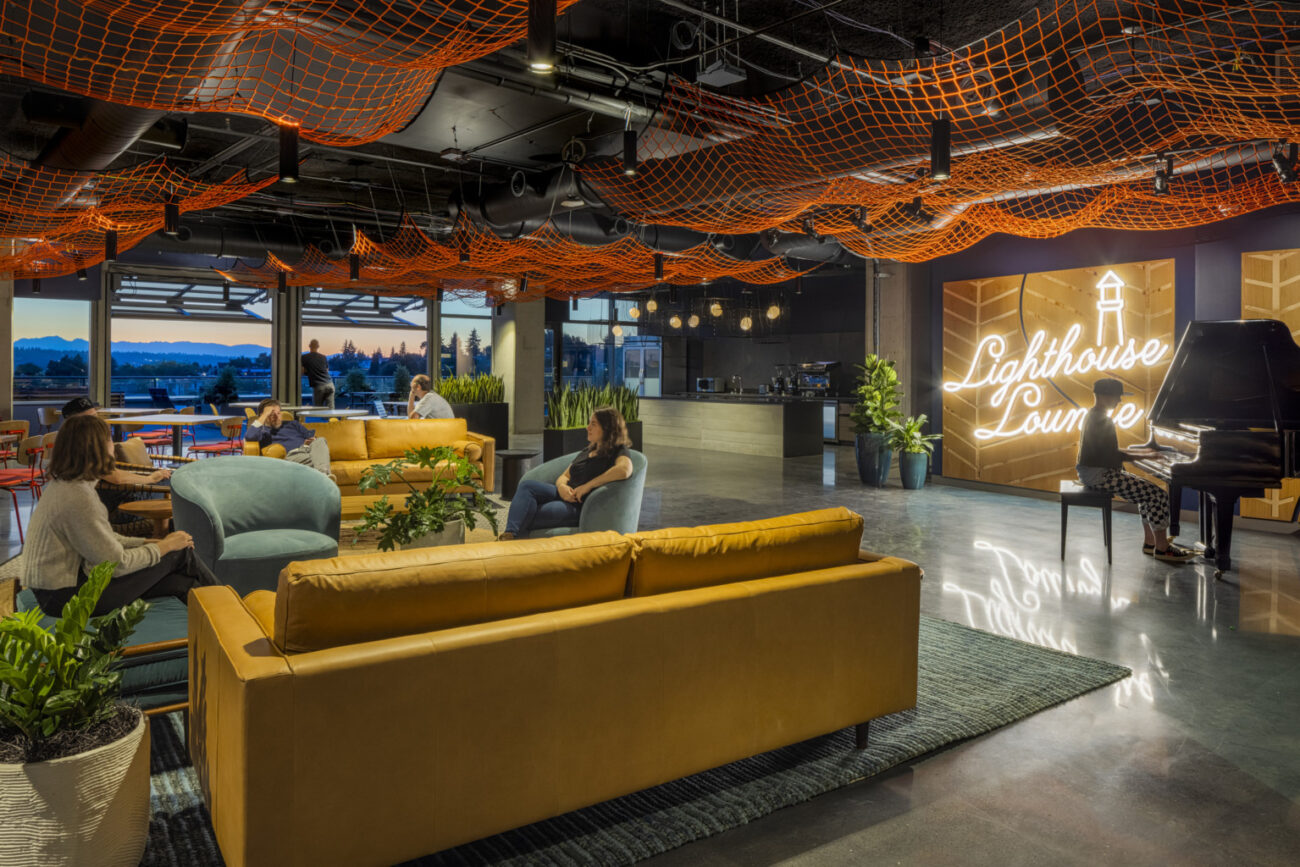
In recent years, cafes have evolved from simple places to grab a cup of coffee into vibrant social spaces that foster connection, creativity, and community engagement. These transformative cafe social spaces have become pivotal in urban settings, offering more than just a caffeine fix. They have become the heart of social interaction, cultural exchange, and even personal transformation. This article delves into the evolution of cafe culture, exploring how these spaces have become essential for fostering human connections and community building.
The Evolution of Cafe Culture
The history of cafes dates back to the 16th century when the first coffeehouses emerged in the Middle East and later spread to Europe. These early cafes were hubs of intellectual conversation, where philosophers, artists, and writers gathered to exchange ideas. Over time, cafes became more than just places to enjoy coffee; they evolved into cultural institutions that played significant roles in shaping societies.
In the 21st century, cafes have undergone another transformation. With the rise of digital technology and remote work, cafes have adapted to become multifunctional spaces that cater to a diverse clientele. Today, they serve as offices for freelancers, meeting spots for friends, and venues for cultural events. This evolution has positioned cafes as crucial social spaces in our increasingly digital world.
Cafes as Community Hubs
One of the most remarkable aspects of modern cafes is their ability to act as community hubs. They provide a welcoming and inclusive environment where people from all walks of life can come together. This sense of community is often cultivated through intentional design, programming, and a commitment to creating a space that feels like home.
Many cafes host events such as open mic nights, book clubs, and art exhibitions, which encourage local talent and foster community engagement. These events transform cafes into lively cultural centers, offering patrons the opportunity to connect with others who share similar interests. By serving as gathering spaces for local communities, cafes play an integral role in strengthening social bonds and promoting a sense of belonging.
Cafes as Creative Spaces
Creativity thrives in environments that inspire, and cafes have become ideal spaces for creative pursuits. With their unique blend of ambiance, caffeine, and a diverse customer base, cafes are perfect incubators for creativity. Writers, artists, and musicians often find inspiration in the hum of a bustling cafe, where ideas flow as freely as the coffee.
The design of a cafe can significantly influence its role as a creative space. Thoughtfully curated interiors, comfortable seating, and ample natural light can stimulate the senses and encourage creative thinking. Many cafes also provide resources such as free Wi-Fi, charging stations, and communal tables, which cater to the needs of creative professionals and remote workers.
Cafes and Digital Connectivity
In today’s hyper-connected world, digital connectivity is a vital component of cafe culture. While cafes have always been places for face-to-face interaction, they now also serve as nodes of digital connectivity. With the prevalence of laptops and smartphones, cafes have adapted to accommodate the needs of digital nomads and remote workers.
Free Wi-Fi is a standard offering in most cafes, turning them into unofficial co-working spaces. This digital accessibility allows individuals to maintain productivity while enjoying a change of scenery. Moreover, the presence of other remote workers creates an atmosphere of shared purpose, where patrons can exchange ideas and collaborate on projects. This blend of physical and digital interaction exemplifies the modern cafe’s role as a space where connections thrive.
The Role of Cafe Design in Fostering Connections
The design of a cafe plays a crucial role in determining its social dynamics. A well-designed cafe can facilitate interaction, encourage conversation, and create an inviting atmosphere. Factors such as layout, seating arrangements, lighting, and acoustics all contribute to the overall experience of a cafe.
For instance, communal tables promote interaction among strangers, fostering a sense of community and shared experience. Cozy corners and comfortable seating invite patrons to linger, creating opportunities for spontaneous conversations. Thoughtful acoustic design ensures that the cafe’s ambiance is lively yet conducive to conversation, striking a balance between noise and intimacy.
The Impact of Third Places on Social Well-being
Cafes are often referred to as “third places,” a term coined by sociologist Ray Oldenburg to describe informal public spaces that are neither home nor work. Third places are essential for social well-being, providing a neutral ground where individuals can relax, socialize, and build relationships.
Research has shown that regular visits to third places, such as cafes, can have positive impacts on mental health and overall well-being. These spaces offer a sense of community and belonging, which are critical components of a fulfilling life. By providing a welcoming environment for social interaction, cafes contribute to the social fabric of urban life.
Cafes and Cultural Exchange
Cafes have long been associated with cultural exchange and intellectual discourse. In multicultural cities, cafes serve as melting pots where diverse cultures intersect. The global spread of coffee culture has introduced unique flavors and traditions, allowing patrons to experience a taste of different cultures without leaving their city.
Many cafes celebrate cultural diversity by offering international coffee blends, hosting global events, and featuring art from various cultures. This celebration of diversity enriches the cafe experience, fostering an appreciation for different perspectives and encouraging cross-cultural dialogue.
The Future of Cafe Social Spaces
As we look to the future, cafes will continue to evolve to meet the changing needs of society. Sustainability and environmental consciousness are likely to play an increasingly important role in cafe culture. Many cafes are already adopting eco-friendly practices, such as reducing waste, sourcing local ingredients, and using sustainable materials.
Technology will also shape the future of cafes, with innovations such as mobile ordering, contactless payments, and virtual reality experiences becoming more common. However, the core essence of cafes as social spaces will remain unchanged. Their ability to foster connections, inspire creativity, and build community will ensure that cafes continue to thrive as vital social spaces in the years to come.
Conclusion
Transformative cafe social spaces have redefined the role of cafes in our lives. They are no longer just places to enjoy a cup of coffee; they are vibrant community hubs, creative incubators, and centers of cultural exchange. By fostering connections and promoting social well-being, cafes have become essential components of urban life.
As we navigate an increasingly digital world, the importance of physical spaces where people can connect and engage cannot be overstated. Cafes will continue to adapt and innovate, serving as vital third places that enrich our lives and foster a sense of community. In these transformative social spaces, connections thrive, and the aroma of coffee is just the beginning of the experience.
