

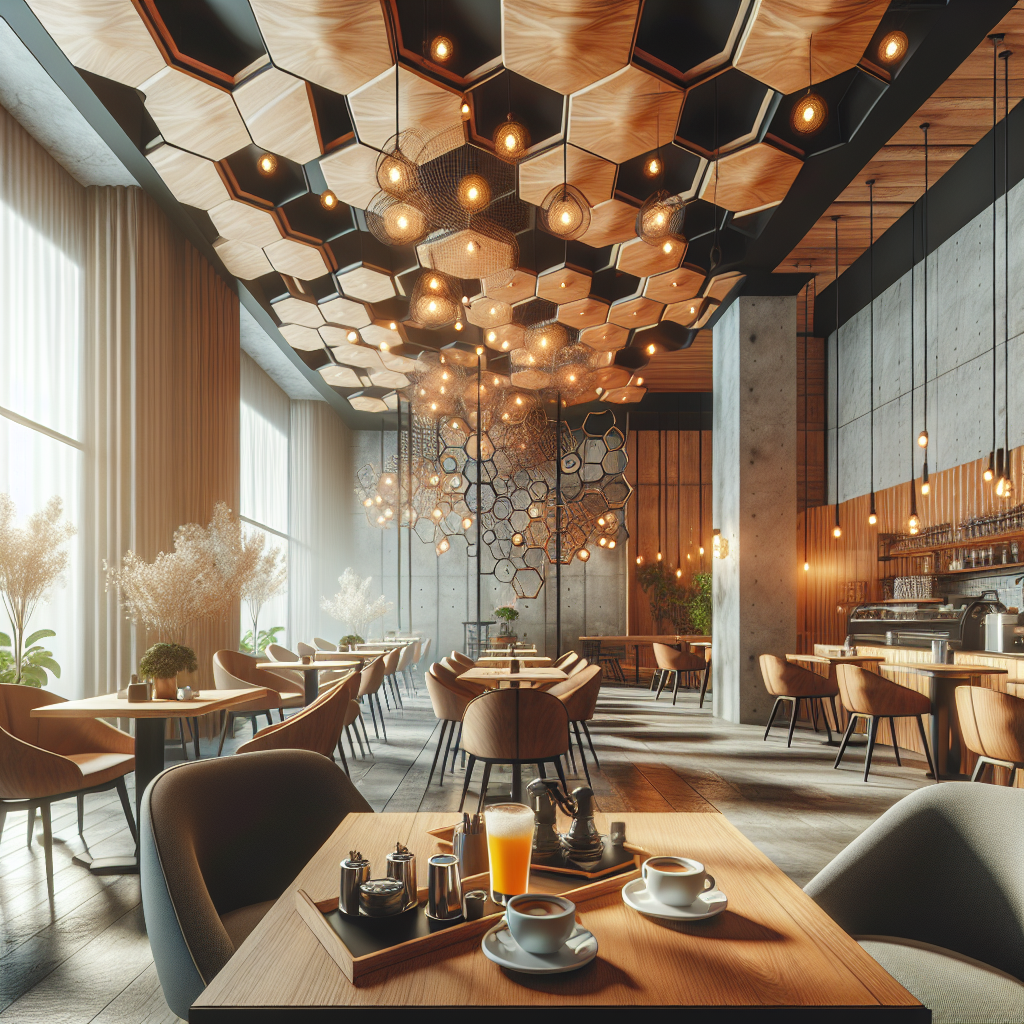
Cafe culture is a vibrant tapestry woven with stories of creativity, innovation, and a deep appreciation for the art of gathering. Around the world, cafes are more than just places to enjoy a good cup of coffee—they are cultural icons, social hubs, and showcases of design ingenuity. In this article, we delve into some of the most unique cafe designs across the globe, exploring how they reflect local culture, history, and innovative architectural trends.
The Rustic Charm of Café de Flore, Paris
Nestled in the heart of Paris, Café de Flore is an emblem of timeless elegance and intellectual charm. Established in the 1880s, its design is a nod to the Art Deco style, featuring plush red seating, mirrored walls, and elegant fixtures. This iconic cafe has been a gathering place for notable intellectuals and artists like Jean-Paul Sartre and Simone de Beauvoir. Its design is a testament to Parisian cafe culture, where the ambiance is as rich as the coffee served.
Sustainable Innovation at The Barn, Berlin
In Berlin, The Barn stands as a beacon of sustainable cafe design. Known for its minimalist aesthetic, the cafe incorporates natural materials like wood and stone, creating a warm yet modern atmosphere. The Barn is committed to sustainability, with design elements that include energy-efficient lighting and furniture made from recycled materials. This eco-conscious approach not only reduces the carbon footprint but also sets a trend in cafe design that prioritizes environmental responsibility.
Eclectic Vibrancy of Truth Coffee, Cape Town
Truth Coffee in Cape Town is often hailed as one of the best steampunk-themed cafes in the world. Its design is a whimsical blend of Victorian and industrial aesthetics, featuring exposed pipes, vintage typewriters, and ornate metal fixtures. The eclectic decor is complemented by an open-plan layout that invites patrons to watch the roasting process. Truth Coffee’s unique design celebrates the art of coffee making while offering an immersive experience that stimulates the senses.
Historical Grandeur of Café Central, Vienna
Café Central in Vienna is a masterpiece of historical grandeur. Established in 1876, this cafe is a quintessential representation of Viennese coffeehouse culture. Its opulent design features high vaulted ceilings, marble pillars, and crystal chandeliers. The cafe’s history is as rich as its decor, having hosted luminaries like Sigmund Freud and Leon Trotsky. Café Central’s design tells a story of intellectual discourse and cultural refinement, preserved in its elegant architecture.
Modern Minimalism at Omotesando Koffee, Tokyo
Omotesando Koffee in Tokyo exemplifies the beauty of modern minimalism. Originally a pop-up cafe, its design was simple yet refined, focusing on clean lines and a neutral color palette. The cafe was housed in a traditional Japanese home, blending seamlessly into its surroundings while offering a serene escape from the bustling city. Although the original location has closed, its minimalist ethos continues to influence cafe design around the world, prioritizing functionality and form.
Bohemian Delight of Café Tortoni, Buenos Aires
Café Tortoni in Buenos Aires is a bohemian delight, rich with history and artistic flair. Founded in 1858, it is one of the oldest cafes in Argentina. The design reflects its cultural significance, featuring ornate woodwork, stained glass, and an eclectic collection of artwork and photographs. Café Tortoni has been a haven for writers, musicians, and artists, offering a space where creativity and conversation flourish amidst its charming decor.
Artistic Expression at Les Deux Magots, Paris
Another Parisian gem, Les Deux Magots, is steeped in artistic history. With its name derived from a popular 19th-century play, the cafe’s design is a fusion of traditional and modern elements. Its interior boasts plush green seating, vintage posters, and an inviting outdoor terrace. Les Deux Magots has been a favorite among artists and writers, including Pablo Picasso and Ernest Hemingway. The cafe’s design reflects its role as a crucible of artistic expression and intellectual exchange.
Futuristic Appeal of Café Yeonnam-dong 239-20, Seoul
In Seoul, Café Yeonnam-dong 239-20 captivates with its futuristic design. Known as the “cartoon cafe,” it features a unique black-and-white interior that mimics two-dimensional line drawings. Every element, from tables to cups, is designed to appear as if it belongs in a sketchbook. This innovative approach creates an otherworldly experience, blurring the lines between reality and art. The cafe’s design story is a testament to the power of imagination and creativity in redefining cafe spaces.
Conclusion
Around the world, cafes are much more than venues for sipping coffee—they are cultural landmarks that tell stories through their design. From the historical grandeur of Vienna’s Café Central to the minimalist elegance of Tokyo’s Omotesando Koffee, each cafe reflects its unique cultural backdrop and design ethos. These stories of innovation and tradition enrich our understanding of cafe culture and inspire us to appreciate the artistry behind every cup of coffee. As we continue to explore and celebrate these unique cafe designs, we discover not just places to enjoy a beverage, but spaces that invite us to connect, create, and reflect.
