

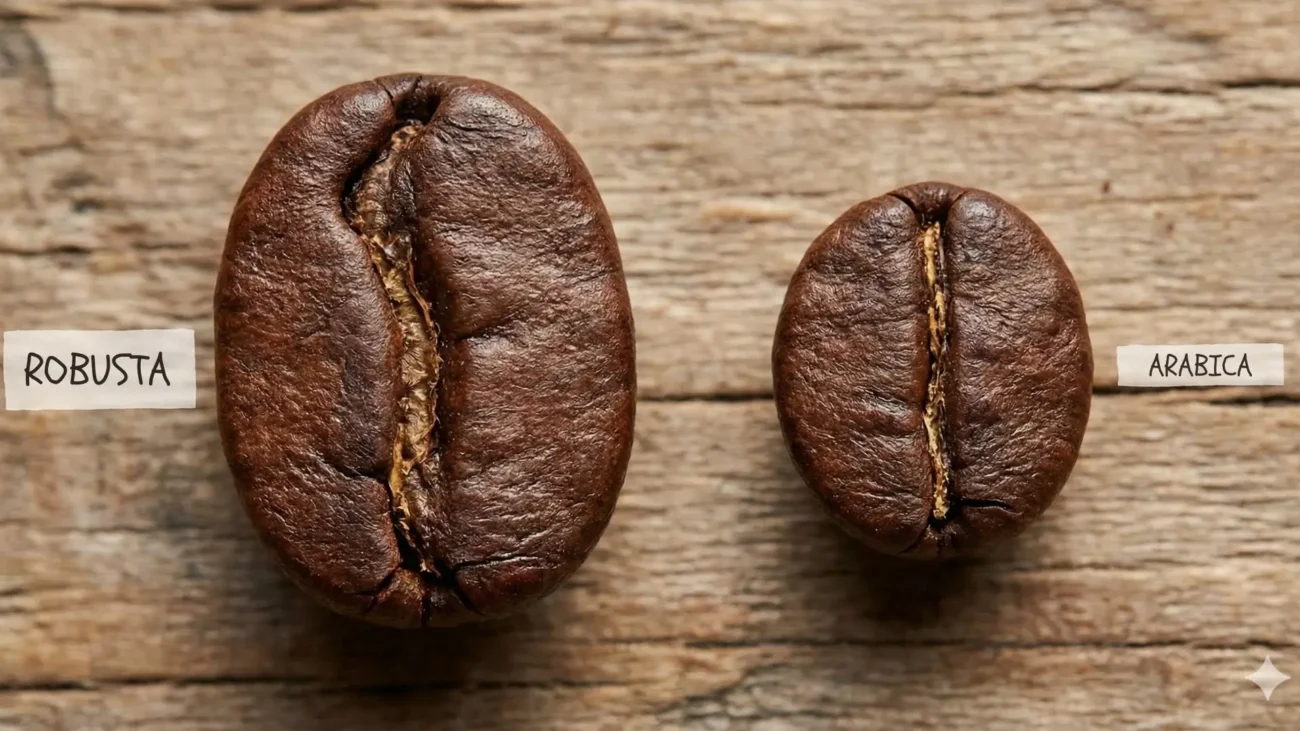
Coffee is one of the most popular beverages worldwide, with millions of people starting their day with a cup of this invigorating brew. The two most common species of coffee beans are Arabica and Robusta, each with unique characteristics, flavors, and growing conditions. Understanding the differences between these two types of coffee can enhance your appreciation and selection of your next cup. This article delves into the distinct differences between Arabica and Robusta coffee beans, providing insights into their origins, flavors, growing conditions, and uses.
Origins and Growing Conditions
Arabica Coffee
Arabica coffee, scientifically known as Coffea arabica, is believed to have originated in the highlands of Ethiopia. This species accounts for about 60-70% of the world’s coffee production, making it the most popular type of coffee. Arabica plants thrive in higher altitudes, typically between 600 to 2,000 meters above sea level. The cooler temperatures and well-distributed rainfall in these regions provide ideal conditions for the slow maturation of Arabica beans, resulting in their rich and complex flavors.
Arabica coffee plants are more delicate and susceptible to diseases and pests compared to Robusta. They require specific growing conditions, including well-drained, fertile soil and a consistent climate with temperatures ranging from 15 to 24 degrees Celsius. Due to these stringent requirements, Arabica coffee is primarily grown in Latin America, East Africa, and parts of Asia.
Robusta Coffee
Robusta coffee, or Coffea canephora, is native to the lowland forests of Central and Western Africa. This species makes up about 30-40% of global coffee production. Robusta plants are hardier compared to Arabica and can grow at lower altitudes, from sea level up to 800 meters. They are more resistant to diseases and pests, making them easier and less expensive to cultivate.
The Robusta coffee plant thrives in warmer climates, with temperatures ranging from 24 to 30 degrees Celsius. It can tolerate less rainfall and poorer soil conditions than Arabica. As a result of these adaptable growing conditions, Robusta coffee is predominantly cultivated in Africa and Southeast Asia, with Vietnam being one of the largest producers.
Flavor Profiles
Arabica Coffee
Arabica coffee is renowned for its smooth, nuanced flavors and aromatic qualities. It is often described as having a mild, sweet taste with hints of fruit, sugar, and floral notes. The acidity of Arabica coffee is generally higher, providing a bright and lively cup. The balance of flavors and the aromatic complexity make Arabica the preferred choice for specialty coffee and single-origin brews.
The flavor profile of Arabica coffee can vary significantly depending on the region where it is grown. For instance, Ethiopian Arabica is known for its bright, fruity notes, while Colombian Arabica often features a balanced sweetness with a nutty undertone. The diversity of flavors in Arabica coffee allows for a wide range of taste experiences.
Robusta Coffee
Robusta coffee is characterized by a stronger, more assertive flavor profile. It tends to have a heavier, more full-bodied taste with a distinctive bitterness. The flavor of Robusta is often described as earthy or woody, with a grainy texture and a lingering aftertaste. This bold flavor is attributed to the higher caffeine content in Robusta beans, which can be nearly double that of Arabica.
While Robusta coffee may lack the subtlety and complexity of Arabica, its robust flavor makes it ideal for espresso blends and instant coffee production. The high caffeine content and dense crema produced by Robusta beans create a rich, intense espresso experience that many coffee enthusiasts appreciate.
Caffeine Content
Arabica Coffee
Arabica coffee beans contain less caffeine compared to Robusta. On average, Arabica beans have a caffeine content of 1.2% to 1.5%. This lower caffeine level contributes to the smoother, less bitter flavor of Arabica coffee. For those who prefer a milder cup of coffee with intricate flavor notes, Arabica is often the preferred choice.
Robusta Coffee
Robusta coffee beans have a higher caffeine content, ranging from 2.2% to 2.7%. The increased caffeine not only contributes to the stronger, more bitter taste of Robusta coffee but also enhances its resistance to pests and diseases. For coffee drinkers seeking a more robust, energizing cup with a bold flavor, Robusta offers an appealing option.
Uses and Applications
Arabica Coffee
Due to its superior flavor profile and aromatic qualities, Arabica coffee is commonly used in high-quality, specialty coffee blends. It is the bean of choice for pour-over, drip coffee, and cold brew methods, where its delicate flavors can be fully appreciated. Many coffee aficionados prefer single-origin Arabica coffees to explore the distinct tastes from different growing regions.
Arabica beans are also favored for premium espresso blends, providing a smooth, balanced shot with a rich crema. The versatility and complexity of Arabica coffee make it a favorite among baristas and coffee enthusiasts seeking a sophisticated coffee experience.
Robusta Coffee
Robusta coffee is often used in espresso blends, where its robust flavor and thick crema enhance the richness of the shot. It is particularly popular in traditional Italian espresso blends, which often combine Arabica and Robusta beans for a balanced yet bold flavor.
Due to its cost-effectiveness and resilience, Robusta is widely used in instant coffee production. Its strong taste remains pronounced even after processing, making it suitable for instant coffee products that require a pronounced coffee flavor. Additionally, Robusta’s high caffeine content makes it a popular choice for energy drinks and coffee-flavored products.
Market and Economic Considerations
Arabica Coffee
Arabica coffee generally commands a higher price on the market due to its superior flavor profile and demanding growing conditions. The labor-intensive cultivation and susceptibility to diseases contribute to its higher cost. Consumers are often willing to pay a premium for Arabica coffee, especially for single-origin or specialty varieties that offer unique taste experiences.
The demand for Arabica coffee continues to grow, driven by the specialty coffee movement and increasing consumer interest in high-quality, sustainable coffee options. This trend encourages coffee producers to invest in Arabica cultivation, despite the challenges posed by climate change and disease threats.
Robusta Coffee
Robusta coffee is typically less expensive than Arabica due to its hardiness and ease of cultivation. Its resistance to pests and diseases reduces the need for intensive labor and pesticide use, making it a more cost-effective option for producers. The affordability of Robusta coffee appeals to both consumers and manufacturers seeking to produce budget-friendly coffee products.
Despite its lower price point, the demand for Robusta coffee remains strong, particularly in markets where instant coffee and espresso blends are popular. The high caffeine content and robust flavor of Robusta make it a valuable component in various coffee products, ensuring its continued presence in the global coffee industry.
Conclusion
The choice between Arabica and Robusta coffee ultimately depends on individual preferences and intended uses. Arabica coffee offers a refined, nuanced flavor profile that appeals to those seeking a sophisticated coffee experience. Its aromatic qualities and diverse taste make it ideal for specialty coffee and single-origin brews. On the other hand, Robusta coffee provides a bold, robust flavor with high caffeine content, making it suitable for espresso blends and instant coffee production.
Understanding the unique differences between Arabica and Robusta coffee allows consumers to make informed choices based on their taste preferences and desired coffee experience. Whether you prefer the smooth, complex flavors of Arabica or the strong, energizing taste of Robusta, both types of coffee offer distinct characteristics that contribute to the rich tapestry of global coffee culture. As you explore the world of coffee, consider the origins, flavors, and applications of these two remarkable coffee beans to enhance your appreciation of this beloved beverage.
