

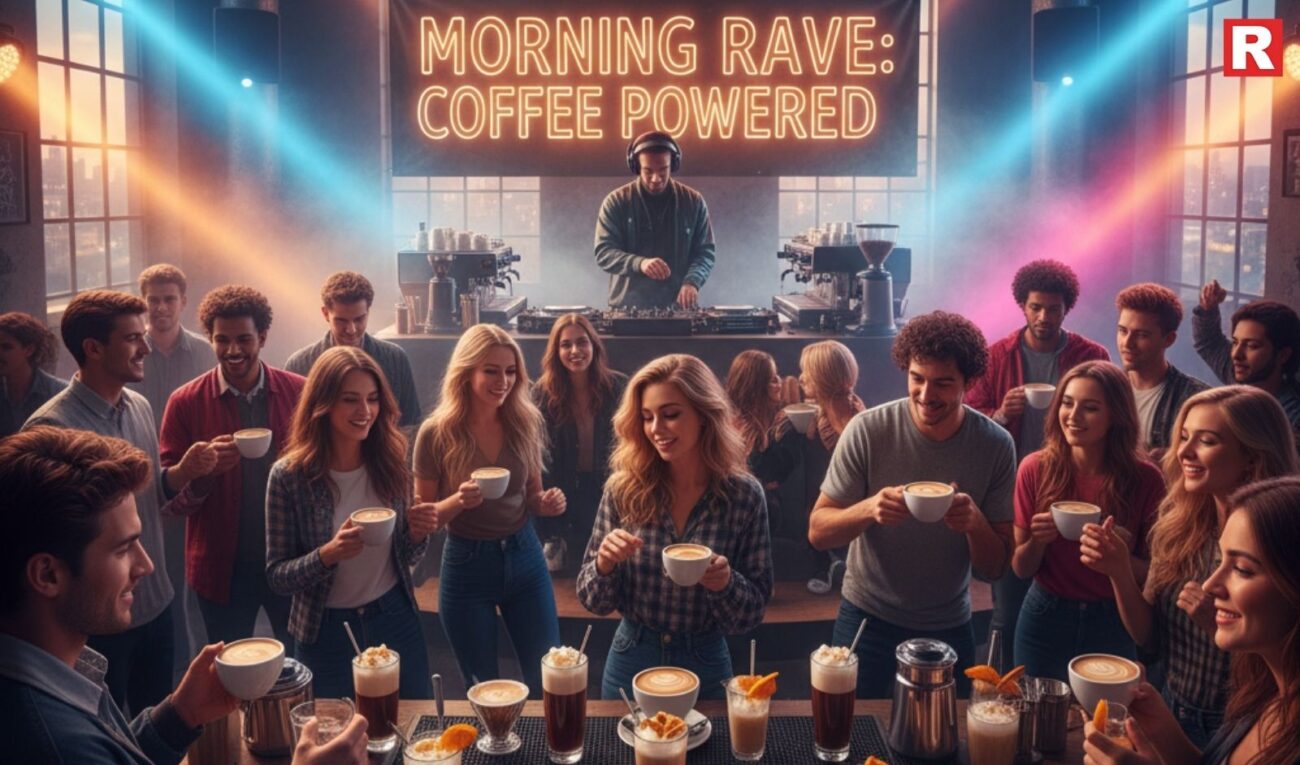
Transformative Cafe Experience Design for Modern Audiences
The cafe culture has evolved significantly over the past few decades. What was once a simple space for a quick caffeine fix has transformed into a multifaceted experience, catering to a diverse audience seeking more than just a cup of coffee. Today’s modern audiences demand an experience that is immersive, innovative, and memorable. This article explores the transformative cafe experience design tailored for modern audiences, focusing on key elements that make a cafe stand out in a competitive market.
The Role of Ambiance in Cafe Design
The ambiance of a cafe plays a crucial role in shaping the overall experience for customers. Modern audiences are drawn to spaces that evoke a particular mood or emotion. The choice of lighting, music, furniture, and decor all contribute to creating a unique atmosphere that can define a cafe’s identity. For instance, soft lighting and acoustic music may create a cozy, intimate setting, whereas bright lights and upbeat tunes might foster a lively, energetic vibe.
Moreover, the integration of natural elements such as plants, wood, and stone can enhance the cafe’s aesthetic appeal and provide a sense of tranquility. The use of sustainable materials and eco-friendly practices also resonates with environmentally conscious consumers, contributing to a positive brand image.
Innovative Interior Design and Layout
The interior design and layout of a cafe are critical components of a transformative experience. Modern cafes often feature open, flexible spaces that encourage social interaction and collaboration. The strategic placement of seating areas can cater to different customer needs, from solitary workspaces to communal tables for group gatherings.
Incorporating technology into the design can also enhance the customer experience. Charging stations, smart tables with built-in screens, and interactive displays can provide added convenience and entertainment. Additionally, creating distinct zones within the cafe allows for diverse experiences, such as quiet reading corners, art exhibition spaces, or dedicated areas for workshops and events.
The Importance of Sensory Engagement
Engaging multiple senses is a powerful way to create a memorable cafe experience. Beyond taste, a transformative cafe experience involves sight, sound, smell, and touch. The aroma of freshly brewed coffee, the visual appeal of artful latte designs, the comforting texture of plush seating, and the soothing background music all contribute to an immersive sensory experience.
Cafes can also incorporate elements of surprise and delight through sensory engagement. This might include offering unique flavor profiles, hosting live music sessions, or featuring rotating art installations. These elements not only attract customers but also encourage them to linger longer and share their experiences with others.
Menu Innovation and Culinary Creativity
In today’s competitive market, a cafe’s menu must go beyond traditional offerings. Modern audiences seek culinary creativity and innovation, with a growing interest in health-conscious and diverse options. This includes catering to dietary preferences such as vegan, gluten-free, and organic choices.
Seasonal menus and locally sourced ingredients can also enhance the cafe experience, providing freshness and supporting local communities. Additionally, offering unique beverages, such as signature coffee blends, artisanal teas, and creative mocktails, can differentiate a cafe from its competitors. Engaging customers in the menu development process, through tastings or feedback sessions, can further strengthen their connection to the brand.
Community Engagement and Cultural Connection
Modern cafes often serve as community hubs, fostering connections and interactions among diverse groups. Hosting community events, workshops, and cultural activities can enhance the cafe experience and create a sense of belonging. Collaborations with local artists, musicians, and entrepreneurs can bring fresh perspectives and attract a broader audience.
Furthermore, embracing cultural diversity through the design and offerings can appeal to a global audience. This might include celebrating international coffee traditions, incorporating multicultural decor, or offering a diverse range of cuisines. By doing so, cafes can create a welcoming and inclusive environment that resonates with modern audiences.
Leveraging Technology for Enhanced Experiences
Technology plays a pivotal role in shaping the modern cafe experience. From mobile apps for ordering and payments to virtual reality experiences, technology can enhance convenience and engagement. Cafes can utilize digital platforms to streamline operations, offer personalized recommendations, and gather customer feedback.
Innovative technologies such as augmented reality can also create unique experiences. For example, customers could use AR apps to learn about the origin of their coffee beans or explore virtual art galleries while enjoying their drinks. Embracing technology not only improves efficiency but also appeals to tech-savvy audiences seeking novel experiences.
Sustainability and Ethical Practices
Sustainability and ethical practices have become essential considerations for modern consumers. Cafes that prioritize environmental responsibility and social impact can attract a loyal customer base. This includes sourcing fair-trade coffee, reducing waste through sustainable packaging, and implementing energy-efficient practices.
Transparency is key, as customers appreciate knowing the story behind their coffee and the impact of their choices. Cafes can share their sustainability journey through storytelling, social media, and in-store displays, fostering a deeper connection with environmentally conscious consumers.
The Power of Personalization
Personalization is a significant trend in the modern cafe experience. Customers appreciate feeling valued and recognized, and cafes can achieve this through personalized service and offerings. This might include remembering regular customers’ names and preferences, offering loyalty programs, or creating customized drink options.
Data-driven insights can also enhance personalization, allowing cafes to tailor marketing efforts and promotions to individual preferences. By leveraging customer data responsibly, cafes can create targeted experiences that resonate with their audience and foster long-term loyalty.
Conclusion
Designing a transformative cafe experience for modern audiences involves a holistic approach that considers ambiance, sensory engagement, culinary innovation, community connection, technology, sustainability, and personalization. By focusing on these key elements, cafes can create unique and memorable experiences that resonate with diverse audiences and stand out in a competitive market. As the cafe culture continues to evolve, those who embrace innovation and cater to their customers’ needs will thrive and leave a lasting impression.
#ChatGPT assisted in the creation of this article.
