

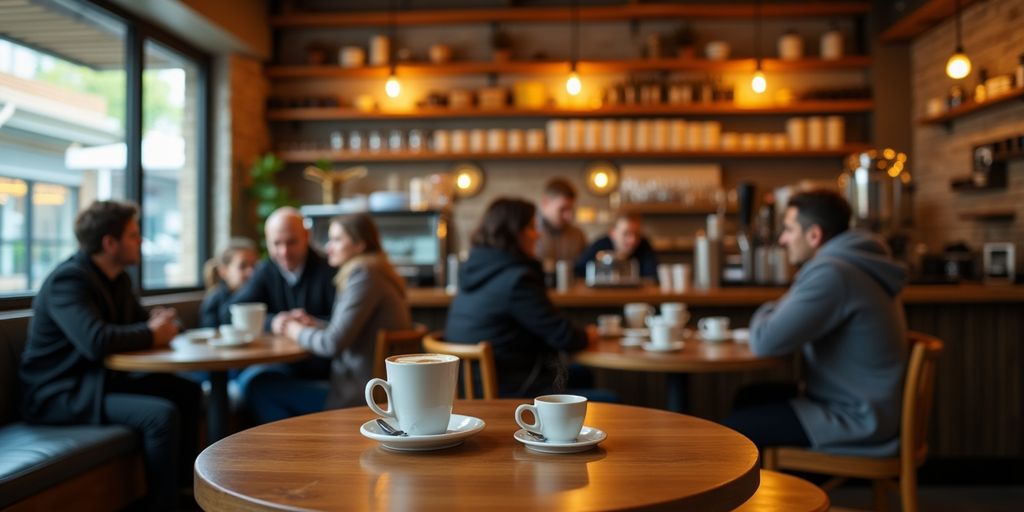
Cafe culture is more than just a trend; it’s a lifestyle that has woven itself into the fabric of societies around the world. From the bustling streets of Paris to the serene corners of Tokyo, cafes serve as communal hubs where people gather not only to enjoy coffee but to engage in conversation, work, and leisure. This article delves into the art of cafe culture lifestyle, exploring its historical roots, the role cafes play in modern society, and how they have become sanctuaries of creativity and social interaction.
The Historical Roots of Cafe Culture
The origins of cafe culture can be traced back to the Middle East in the 15th century. Coffeehouses, known as qahveh khaneh, emerged in the Ottoman Empire, quickly becoming centers for intellectual exchange. These establishments allowed people to discuss politics, philosophy, and the arts while enjoying the rich flavors of coffee. As coffee spread to Europe, the cafe culture evolved, taking on the characteristics of its surroundings.
In Paris, cafes became the epicenter of the Enlightenment, frequented by intellectuals, artists, and revolutionaries. Figures like Voltaire and Rousseau would gather in these spaces to debate ideas that would ultimately shape the modern world. The Viennese coffeehouse tradition, on the other hand, became synonymous with elegance, offering patrons a place to linger over a cup of coffee and a newspaper.
The Modern Cafe: A Reflection of Contemporary Society
Today, cafes reflect the diversity and dynamism of modern society. They are no longer just about coffee; they offer a blend of culture, community, and creativity. Each cafe tells its own story, often through its unique decor, menu, and the clientele it attracts. In urban centers, cafes serve as a refuge from the hustle and bustle, offering a moment of respite and a chance to recharge.
The rise of digital nomads and remote work has also transformed cafes into unofficial offices. Many cafes now offer free Wi-Fi and charging stations, catering to the needs of those who work on the go. This shift has reinforced the cafe’s role as a versatile space, capable of adapting to the changing demands of its patrons.
Creative Sanctuaries: The Artistic Side of Cafes
Cafes have long been associated with creativity, serving as muses for writers, artists, and musicians. The ambient noise of a cafe, often referred to as “white noise,” has been shown to boost creativity by providing just the right level of distraction. This phenomenon has led to a surge in writers and artists taking up residence in cafes as they work on their next masterpiece.
In cities around the world, cafes also serve as venues for cultural events. From poetry readings and art exhibitions to live music performances, cafes provide a platform for emerging talent to showcase their work. This integration of the arts into cafe culture enriches the community, offering patrons the chance to experience new forms of expression.
The Social Fabric of Cafe Culture
At the heart of cafe culture is the social interaction it facilitates. Cafes serve as meeting points for friends, family, and even strangers. They offer a comfortable space for conversations to flourish, whether it’s a casual catch-up or a deep philosophical debate. The act of sharing a cup of coffee creates a sense of camaraderie and connection that transcends cultural and linguistic barriers.
Furthermore, cafes play an essential role in fostering local communities. Many cafes support local artists and businesses by featuring their products and works. This commitment to localism strengthens community ties and encourages a sense of belonging among patrons.
The Globalization of Cafe Culture
Cafe culture has become a global phenomenon, adapting to the tastes and traditions of different cultures. In Italy, the espresso bar is an integral part of daily life, where drinking coffee is a quick, standing affair. In contrast, the Japanese kissaten offers a more contemplative experience, with an emphasis on the art of coffee brewing and presentation.
In recent years, the third wave coffee movement has further globalized cafe culture by emphasizing high-quality, artisanal coffee. This movement celebrates the craft of coffee-making, from sourcing beans to brewing techniques, and has led to a resurgence of interest in the origins and flavors of coffee.
Cafe Culture and Sustainability
As awareness of environmental issues grows, cafes are increasingly adopting sustainable practices. Many cafes have begun sourcing coffee from fair trade and organic farms, ensuring that farmers are paid fairly and that the environment is protected. Additionally, cafes are reducing waste by encouraging the use of reusable cups and implementing composting and recycling programs.
Sustainability has also influenced the design of cafes, with many opting for eco-friendly materials and energy-efficient appliances. These initiatives not only reduce the environmental impact of cafes but also align with the values of environmentally conscious patrons.
The Future of Cafe Culture
The future of cafe culture is likely to be shaped by technological advancements and changing consumer preferences. Virtual cafes, where people can meet and interact in digital spaces, are already emerging, offering a new dimension to social interaction. Augmented reality and virtual reality technologies may soon enhance the cafe experience, allowing patrons to explore different environments while sipping their coffee.
However, the essence of cafe culture—community, creativity, and conversation—will remain unchanged. As cafes continue to evolve, they will undoubtedly find new ways to bring people together and enrich the cultural landscape.
Conclusion: Embracing the Art of Cafe Culture Lifestyle
Discovering the art of cafe culture lifestyle is about more than just enjoying a good cup of coffee. It’s about immersing oneself in a rich tapestry of history, creativity, and community. Whether you’re seeking inspiration, connection, or simply a moment of peace, cafes offer a unique space that caters to a diverse range of needs and desires.
As you explore cafes around the world, take a moment to appreciate the subtle nuances that make each one special. From the aroma of freshly brewed coffee to the hum of conversation, each element contributes to the vibrant mosaic that is cafe culture. Embrace this lifestyle, and you may find that the humble cafe holds the key to a richer, more connected existence.
