

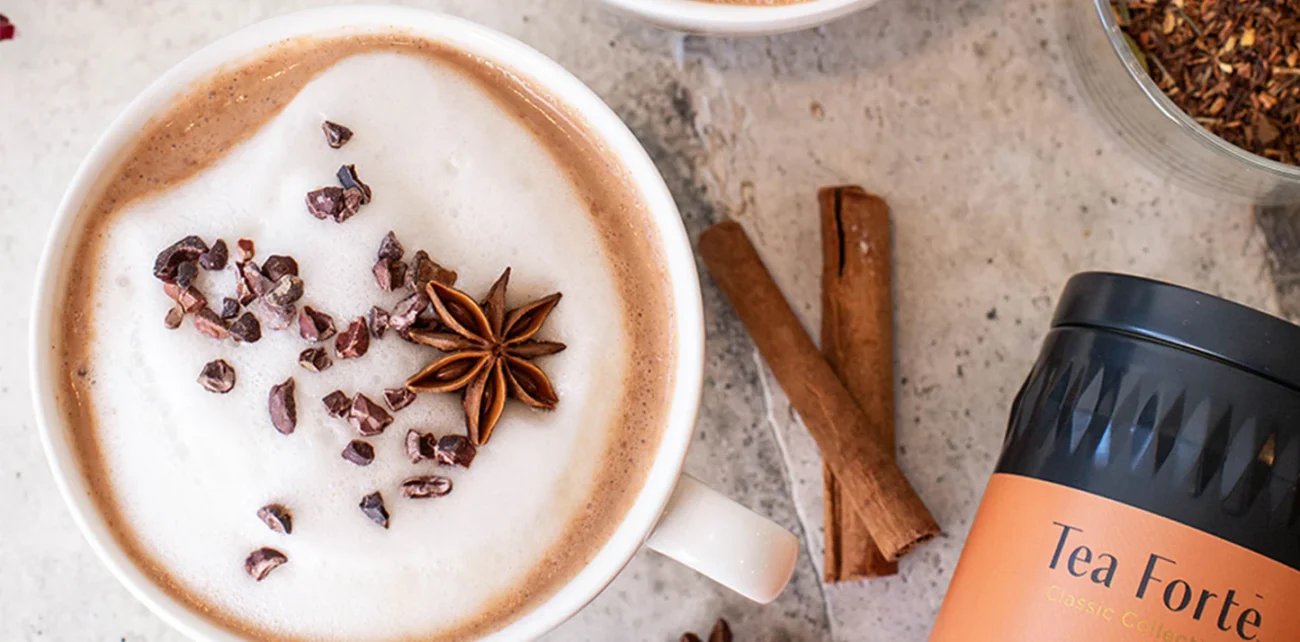
Chai latte, a beloved beverage that marries the robust flavors of traditional Indian chai with the creamy texture of a Western latte, has taken the world by storm. Originating from the Indian subcontinent, the word “chai” simply means “tea” in Hindi, but in the context of a chai latte, it refers to a spiced tea blend. This guide will take you through the intricate journey of mastering chai latte, from understanding its origins and cultural significance to perfecting the art of making it at home.
The Origins and Cultural Significance of Chai
Chai has been a staple in Indian culture for centuries, evolving from ancient Ayurvedic traditions. The beverage is traditionally made with a blend of spices such as cardamom, cinnamon, ginger, cloves, and black pepper, simmered with black tea and milk. Each region in India offers its unique twist, reflecting local tastes and available ingredients.
The cultural significance of chai extends beyond its ingredients. It’s a symbol of hospitality, often served to guests, and plays a crucial role in social gatherings. The chai wallahs (tea vendors) are iconic figures in Indian cities, brewing fresh chai on bustling streets, infusing daily life with its rich aroma.
What Differentiates a Chai Latte?
While traditional chai is brewed with water, milk, and spices, a chai latte incorporates steamed milk and froth, similar to a traditional latte. This adaptation elevates the creaminess and creates a harmonious balance between the spicy and sweet elements. The chai latte has become a popular choice in cafes worldwide, often topped with a sprinkle of cinnamon or nutmeg for an extra touch of warmth.
Choosing the Right Ingredients
The key to mastering a chai latte lies in selecting the right ingredients. Here’s a breakdown of what you’ll need:
Tea
Opt for a bold black tea, such as Assam or Darjeeling, which can withstand the robust spices. Loose-leaf tea provides a fuller flavor, but high-quality tea bags can also work.
Spices
The essential spices include cardamom, cinnamon, ginger, cloves, and black pepper. Freshly ground spices will offer the most vibrant flavor, but pre-ground spices can be used for convenience.
Milk
Whole milk is traditional, providing a rich and creamy texture. However, plant-based alternatives like almond, soy, or oat milk can be used for a dairy-free option.
Sweetener
Sweeten your chai latte to taste with sugar, honey, or a natural sweetener like agave syrup. Adjust the amount based on your preference.
Step-by-Step Guide to Making Chai Latte at Home
Follow these steps to create the perfect chai latte in the comfort of your kitchen:
Step 1: Prepare the Chai Concentrate
1. In a small saucepan, combine 2 cups of water with your chosen spices (1 cinnamon stick, 4 cardamom pods, 4 cloves, 1 teaspoon ginger, and a pinch of black pepper). Bring to a boil.
2. Once boiling, reduce the heat and let it simmer for 5-10 minutes to extract the flavors.
3. Add 2 tablespoons of black tea and simmer for an additional 3-5 minutes.
4. Strain the mixture into a heatproof container to remove the spices and tea leaves.
Step 2: Froth the Milk
1. In a separate saucepan, heat 1 cup of milk over medium heat until steaming. Avoid boiling.
2. Use a milk frother or whisk to create a creamy froth, ensuring the milk is well-aerated.
Step 3: Assemble the Chai Latte
1. Pour the chai concentrate into a mug, filling it halfway.
2. Add the frothed milk, filling the rest of the mug.
3. Sweeten to taste and stir gently to combine.
4. Optionally, sprinkle a dash of cinnamon or nutmeg on top for garnish.
Exploring Variations of Chai Latte
Once you’ve mastered the classic chai latte, consider experimenting with variations to suit your palate:
Vanilla Chai Latte
Add a splash of vanilla extract to the milk for a subtle sweetness that complements the spices.
Dirty Chai Latte
For a caffeine boost, add a shot of espresso to your chai latte, creating a delightful fusion of coffee and tea flavors.
Masala Chai Latte
Intensify the spiciness by increasing the quantity of spices or adding additional ones like star anise or fennel seeds.
Serving Suggestions and Pairings
Chai latte pairs beautifully with a variety of snacks and desserts. Consider serving it alongside:
– Scones or biscuits with butter and jam.
– A slice of spiced cake, such as carrot or gingerbread.
– Light sandwiches or savory pastries.
Health Benefits of Chai Latte
Beyond its delicious taste, chai latte offers numerous health benefits. The spices used in chai are known for their anti-inflammatory and antioxidant properties. Ginger aids digestion, while cinnamon may help regulate blood sugar levels. By choosing plant-based milk and natural sweeteners, you can further enhance the nutritional profile of your chai latte.
Conclusion: The Art of Chai Latte
Mastering chai latte is more than just perfecting a recipe; it’s about embracing a rich cultural tradition and making it your own. Whether you enjoy it as a morning ritual or an afternoon indulgence, chai latte offers a comforting blend of flavors that can be tailored to suit any preference. With practice and experimentation, you’ll develop your unique version of this beloved beverage, creating a personal chai latte experience that can be savored and shared.
Final Thoughts
As you continue your chai latte journey, remember that the beauty of this drink lies in its versatility. Don’t hesitate to adjust the ingredients, explore new flavors, and discover what makes your perfect cup. Whether you enjoy it with friends or savor it in solitude, mastering chai latte is a rewarding endeavor that celebrates the art of tea-making and the joy of culinary creativity.
