

In the hospitality industry, maintaining high hygiene standards is not just a legal obligation but also a critical factor in ensuring customer safety and building a reputable brand. Cafes, being frequent spots for social gatherings, takeaways, and casual dining, must adhere to stringent hygiene practices. Failure to do so can lead to foodborne illnesses, loss of customer trust, and potential legal repercussions. This article outlines the top hygiene standards that cafes should implement to safeguard customer safety and maintain operational excellence.
Understanding the Importance of Hygiene in Cafes
Hygiene in cafes is vital for several reasons. First and foremost, it ensures the health and safety of customers by preventing food contamination and the spread of illnesses. Secondly, it enhances customer experience, as a clean environment is more inviting and pleasant. Finally, adhering to hygiene standards is a legal requirement, and non-compliance can result in fines, closures, and damage to reputation.
Personal Hygiene of Staff
The cornerstone of cafe hygiene starts with the personal hygiene of staff. Employees should be trained and encouraged to maintain high standards of cleanliness. This includes regular handwashing with soap and water, especially before handling food, after using the restroom, and after any activity that could lead to contamination.
Proper Attire
Staff should wear clean uniforms, hairnets, or hats to prevent hair from falling into food, and gloves when necessary. Jewelry should be minimal as it can harbor bacteria and pose a contamination risk.
Health Checks
Regular health checks should be conducted to ensure that staff members are not working while ill. Employees displaying symptoms of illnesses, especially those related to gastrointestinal issues, should be encouraged to stay home.
Kitchen and Food Preparation Area Cleanliness
The kitchen is the heart of any cafe, and its cleanliness is paramount to ensuring food safety. Regular cleaning schedules should be established to maintain a clean and sanitary environment.
Surface Sanitation
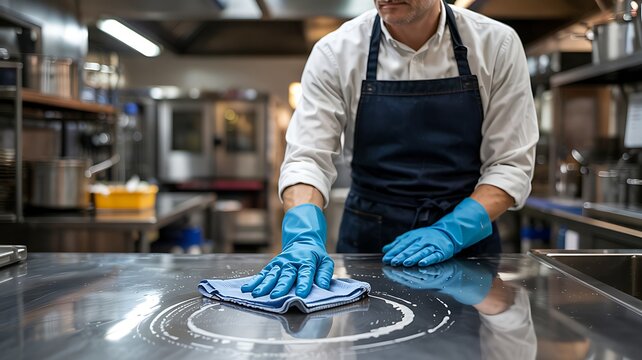
Work surfaces, countertops, and equipment should be cleaned and sanitized regularly. This includes after each food preparation task to prevent cross-contamination, which is a leading cause of foodborne illnesses.
Equipment Maintenance
All kitchen equipment should be regularly inspected and maintained. Faulty equipment can lead to improper cooking or storage temperatures, increasing the risk of bacterial growth. Coffee machines, refrigerators, and ovens should be included in routine maintenance schedules.
Food Handling and Storage
Proper food handling and storage practices are critical in preventing contamination and spoilage.
Temperature Control
Foods should be stored at appropriate temperatures to prevent bacterial growth. Cold foods must be kept at 40°F (4°C) or below, while hot foods should be maintained at 140°F (60°C) or above. Regular temperature checks should be conducted to ensure compliance.
Stock Rotation
Implement the First In, First Out (FIFO) method to ensure older stock is used before newer stock, reducing the risk of using expired ingredients.
Cross-Contamination Prevention
To prevent cross-contamination, raw and cooked foods should be stored separately. Separate cutting boards and utensils should be used for different types of foods, and all should be thoroughly cleaned after use.
Customer Area Cleanliness
While back-of-house cleanliness is crucial, the front-of-house where customers dine also requires attention to detail.
Table and Seating Sanitation
Tables and seating areas should be cleaned and sanitized after each use. This not only maintains hygiene but also enhances the customer experience.
Restroom Maintenance
Restrooms should be cleaned multiple times throughout the day and stocked with necessary supplies such as soap and paper towels. A clean restroom reflects the overall hygiene standards of the cafe.
Waste Management
Proper waste management is essential in maintaining a hygienic environment and preventing pest infestations.
Regular Waste Disposal
Waste bins should be emptied regularly and kept clean to prevent odors and the attraction of pests. Recycling and composting practices should be implemented where possible.
Pest Control
Regular pest control inspections should be conducted to prevent infestations. This includes sealing potential entry points and maintaining cleanliness to deter pests.
Training and Continuous Improvement
Staff training is a continuous process that ensures everyone is informed about the latest hygiene practices and standards.
Regular Training Sessions
Regular training sessions should be held to update staff on new hygiene regulations, procedures, and any changes in operational practices.
Feedback and Audits
Encourage feedback from both staff and customers to identify areas for improvement. Regular audits should be conducted to assess compliance with hygiene standards and make necessary adjustments.
Conclusion
Maintaining top hygiene standards in cafes is essential for customer safety, legal compliance, and business success. By focusing on personal hygiene, kitchen cleanliness, proper food handling, and customer area sanitation, cafes can create a safe and welcoming environment for all. Continuous staff training and regular audits will ensure these standards are upheld, allowing the cafe to thrive in a competitive industry.
#ChatGPT assisted in the creation of this article.
