

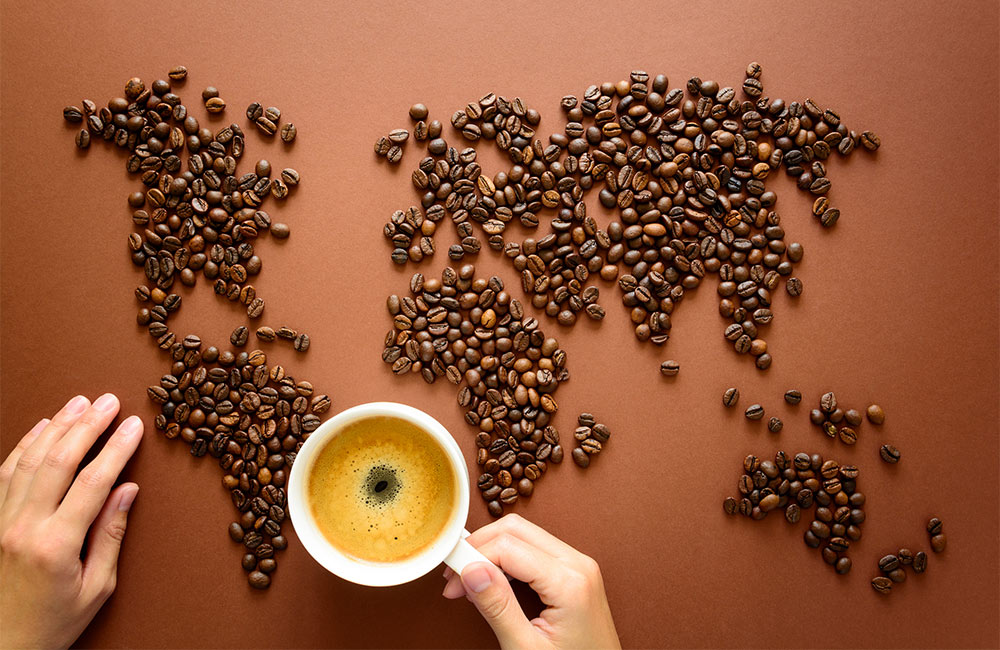
Cafes have long been the heart and soul of social interaction across the globe. From the vibrant coffee houses of Vienna to the serene tea rooms of Kyoto, each culture has its unique take on the cafe experience. In this article, we will explore these timeless traditions and how they continue to shape social interactions and cultural identities.
The Birthplace of Cafe Culture: Vienna, Austria
Vienna is often heralded as the birthplace of European cafe culture. The city’s coffee houses are renowned for their opulent interiors, complete with crystal chandeliers and plush seating. These cafes became the epicenter of intellectual and artistic life in the 19th and early 20th centuries, hosting luminaries such as Sigmund Freud, Gustav Klimt, and Egon Schiele.
Viennese cafes are known for their leisurely pace. Patrons can spend hours nursing a single cup of “Melange,” a local coffee specialty similar to a cappuccino, while reading newspapers or engaging in lively discussions. The practice of providing newspapers for guests is a tradition that many Viennese cafes still uphold, reflecting a deep respect for knowledge and conversation.
Parisian Elegance: The Cafes of France
Parisian cafes are synonymous with elegance and style. They are the quintessential setting for philosophical debates and romantic rendezvous. The French cafe culture is characterized by its outdoor seating, allowing patrons to indulge in people-watching while savoring a croissant and espresso.
Historically, Parisian cafes have been the meeting places for writers, artists, and revolutionaries. The Left Bank cafes, such as Les Deux Magots and Café de Flore, were frequented by existentialists like Jean-Paul Sartre and Simone de Beauvoir. These establishments have become icons of the city’s rich intellectual history, serving as a backdrop for literary and artistic movements.
Italian Espresso Bars: A Shot of Culture
In Italy, the cafe culture is embodied in the “espresso bar.” Italians take their coffee standing at the bar, quickly downing a shot of espresso before continuing with their day. This practice reflects the Italian approach to coffee as a quick, energizing ritual rather than a leisurely pastime.
The Italian espresso bar is a social equalizer, where people from all walks of life come together. It’s a place where local gossip is exchanged, and community bonds are strengthened. The culture of “caffè sospeso,” or suspended coffee, where patrons pay for an extra coffee to be given to someone in need, is a testament to the communal spirit found in these establishments.
The Ubiquitous British Tea Rooms
While cafes are synonymous with coffee, in the United Kingdom, the tradition revolves around tea. British tea rooms offer a refined experience, often accompanied by a selection of pastries and finger sandwiches. Afternoon tea is a quintessentially British ritual, steeped in history and etiquette.
The tradition of afternoon tea dates back to the 19th century and remains a cherished social activity. Tea rooms are considered havens of tranquility, where patrons can escape the hustle and bustle of daily life. The emphasis on manners and politeness within these establishments highlights the British commitment to civility and decorum.
Japanese Kissaten: A Blend of East and West
In Japan, the “kissaten” offers a unique blend of Western and Japanese cafe culture. Originating in the early 20th century, kissatens are traditional coffee shops that provide a quiet atmosphere for relaxation and reflection. These cafes often feature retro decor, with jazz music playing softly in the background.
Unlike the fast-paced coffee culture found elsewhere, kissatens emphasize meticulous preparation and presentation. Coffee is brewed with precision, often using siphon methods, and is served in delicate porcelain cups. The kissaten experience is one of contemplation and appreciation, reflecting the Japanese values of harmony and attention to detail.
Middle Eastern Coffee Houses: Social Hubs
In the Middle East, coffee houses have long been social hubs where men gather to discuss politics, religion, and community affairs. These establishments, known as “maqha” or “kahvehane,” offer a sense of camaraderie and belonging. The rich aroma of Arabian coffee, often spiced with cardamom, fills the air, creating an inviting atmosphere.
Traditional Middle Eastern coffee preparation involves boiling the coffee grounds in a special pot called a “cezve” or “ibrik.” This method results in a strong, unfiltered brew that is an integral part of the region’s hospitality. Coffee houses also serve as venues for traditional games like backgammon and for listening to live music or poetry recitals.
Brazilian Cafeterias: The Heartbeat of Coffee Culture
Brazil, as the largest producer of coffee in the world, has a vibrant cafe culture that revolves around the “cafeteria.” These establishments are more than just places to drink coffee; they are community centers where people come together to share stories and laughter.
In Brazilian cafeterias, coffee is often served in small cups, strong and sweet, known as “cafezinho.” The act of offering a cafezinho is a gesture of hospitality and friendship. The social aspect of coffee drinking in Brazil is deeply ingrained, with cafes playing a crucial role in maintaining social connections and cultural traditions.
Modern Transformations: The Global Influence of Cafe Culture
As global travel and technology have advanced, cafe cultures worldwide have begun to influence each other, leading to modern transformations. The rise of third-wave coffee shops, focusing on sustainable practices and artisanal brewing methods, has reshaped the landscape of traditional cafes.
In cities like Melbourne, Australia, and Seattle, USA, cafes have become centers for innovation, championing ethically sourced coffee and cutting-edge brewing techniques. These modern establishments blend global influences while remaining rooted in local culture, offering an eclectic mix of tradition and modernity.
Conclusion: The Timeless Allure of Cafes
Cafes, in their myriad forms, continue to be places of gathering, conversation, and cultural exchange. Whether it’s the grand coffee houses of Vienna or the humble kissatens of Japan, each tradition offers a unique perspective on the social and cultural fabric of its people. As we explore these timeless cafe traditions, we gain insight into the values, history, and identity of different cultures around the world.
The enduring popularity of cafes is a testament to their ability to adapt and evolve while maintaining their core essence as spaces of connection and community. Whether you’re sipping a cafezinho in Brazil or enjoying an afternoon tea in England, the cafe remains a universal symbol of hospitality and human connection.
