

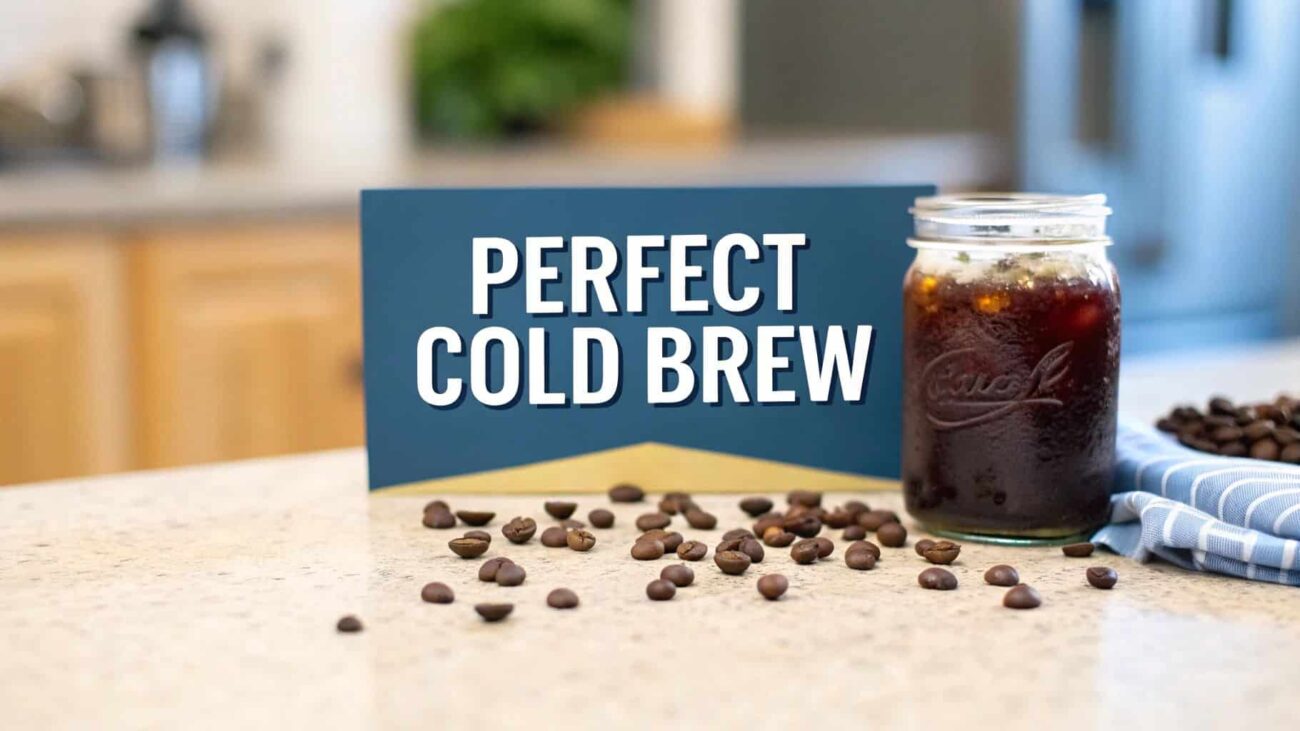
Cold brew coffee has taken the coffee world by storm, offering a smooth, rich, and refreshing alternative to traditional hot brewing methods. Unlike iced coffee, which is brewed hot and then cooled, cold brew is steeped in cold water, resulting in a distinctly mellow flavor profile. This guide will walk you through the essentials of making the perfect cold brew coffee at home, from selecting the right beans to mastering the brewing process.
Understanding Cold Brew
Cold brew coffee is unique because it is brewed at room temperature or cold water over an extended period, typically 12 to 24 hours. This slow extraction process reduces the acidity and bitterness that can be present in hot-brewed coffee, making it sweeter and smoother. The result is a versatile concentrate that can be enjoyed on its own or used as a base for various coffee drinks.
Choosing the Right Coffee Beans
Bean Variety
The foundation of any great cup of coffee is the quality of the beans. When selecting beans for cold brew, opt for medium to dark roasts, which tend to have a richer body and chocolatey undertones that complement the cold brew method. However, feel free to experiment with different varieties to discover your personal preference.
Freshness
Freshness is key when it comes to coffee beans. Look for beans that have been roasted within the past two weeks. Freshly roasted beans will provide the most vibrant flavors and aromas, making a noticeable difference in your cold brew.
Grind Size
The grind size is crucial for cold brew. A coarse grind is recommended, similar to the texture of sea salt, to ensure proper extraction without over-extraction, which can lead to bitterness. If you’re grinding your own beans, a burr grinder is ideal for achieving a consistent grind size.
The Cold Brew Method
Equipment Needed
To make cold brew coffee, you’ll need the following equipment:
- Coarse Ground Coffee
- Cold Brew Maker or a Large Mason Jar
- Filtered Water
- Fine Mesh Strainer or Cheesecloth
- Coffee Filter (optional)
Cold Brew Ratio
A common ratio for cold brew is 1:4, meaning one part coffee to four parts water. This creates a concentrate that can be diluted with water or milk before serving. Adjust the ratio to suit your taste preferences for a stronger or milder brew.
Brewing Process
- Combine coffee and water: In your cold brew maker or mason jar, combine the coarse ground coffee with the filtered water. Stir gently to ensure all the coffee grounds are saturated.
- Steep: Cover the container and let it sit at room temperature or in the refrigerator for 12 to 24 hours. The longer the steeping time, the stronger the flavor.
- Strain: After steeping, strain the mixture through a fine mesh strainer or cheesecloth to remove the coffee grounds. For a cleaner cup, you can strain it again through a coffee filter.
- Store: Transfer the cold brew concentrate to a clean jar or bottle and store it in the refrigerator for up to two weeks.
Serving Your Cold Brew
As a Refreshing Drink
To enjoy cold brew as a refreshing drink, dilute the concentrate with an equal part of water or milk. Add ice cubes and, if desired, sweeten with simple syrup or flavored syrups to taste.
Cold Brew Variations
Cold brew coffee serves as a perfect base for a variety of creative coffee drinks:
- Cold Brew Latte: Mix cold brew concentrate with your choice of milk and a hint of vanilla syrup for a creamy treat.
- Cold Brew Tonic: Combine cold brew with tonic water and a slice of citrus for a refreshing, fizzy beverage.
- Cold Brew Mocha: Add chocolate syrup to cold brew concentrate and milk for a decadent mocha experience.
Troubleshooting Common Cold Brew Issues
Bitterness
If your cold brew is too bitter, it may be due to over-extraction. Ensure you’re using a coarse grind and adjust the steeping time to be shorter.
Weak Flavor
A weak flavor can result from under-extraction. Consider extending the steeping time or using a higher coffee-to-water ratio for a stronger brew.
Cloudiness
Cloudy cold brew may be caused by fine coffee particles. Ensure proper straining and consider using a coffee filter for a clearer concentrate.
Conclusion
Crafting the perfect cold brew coffee at home is both an art and a science, requiring patience and a willingness to experiment. By understanding the nuances of bean selection, grind size, and brewing technique, you can create a personalized cold brew experience that rivals your favorite coffee shop. Enjoy the journey of discovering your ideal cold brew, and savor the rich, smooth flavors that have made this method a beloved favorite among coffee enthusiasts worldwide.
