

The world of cafes is a rich tapestry of aromas, conversations, and experiences. Behind every successful cafe is a story of branding that resonates with its patrons, creating a unique identity and fostering a loyal following. In this article, we delve into the branding stories of some iconic cafes, uncovering the secrets to their success and exploring how they have become beloved institutions in the culture of coffee and conversation.
The Power of Storytelling in Branding
Before we dive into specific examples, it’s crucial to understand the role of storytelling in branding. A brand is more than just a logo or a name; it’s an emotional connection with its audience. Successful cafe brands often weave compelling stories that reflect their values, culture, and vision. This storytelling not only attracts customers but also builds a community around shared experiences and memories.
Case Study 1: Starbucks – Creating a Global Coffee Culture
Starbucks is perhaps one of the most recognizable names in the coffee industry. Its rise to global prominence is a testament to the power of branding. Starbucks’ success lies in its ability to create a “third place” between home and work where people can relax, socialize, or work. The brand story revolves around providing a premium coffee experience and fostering a sense of belonging.
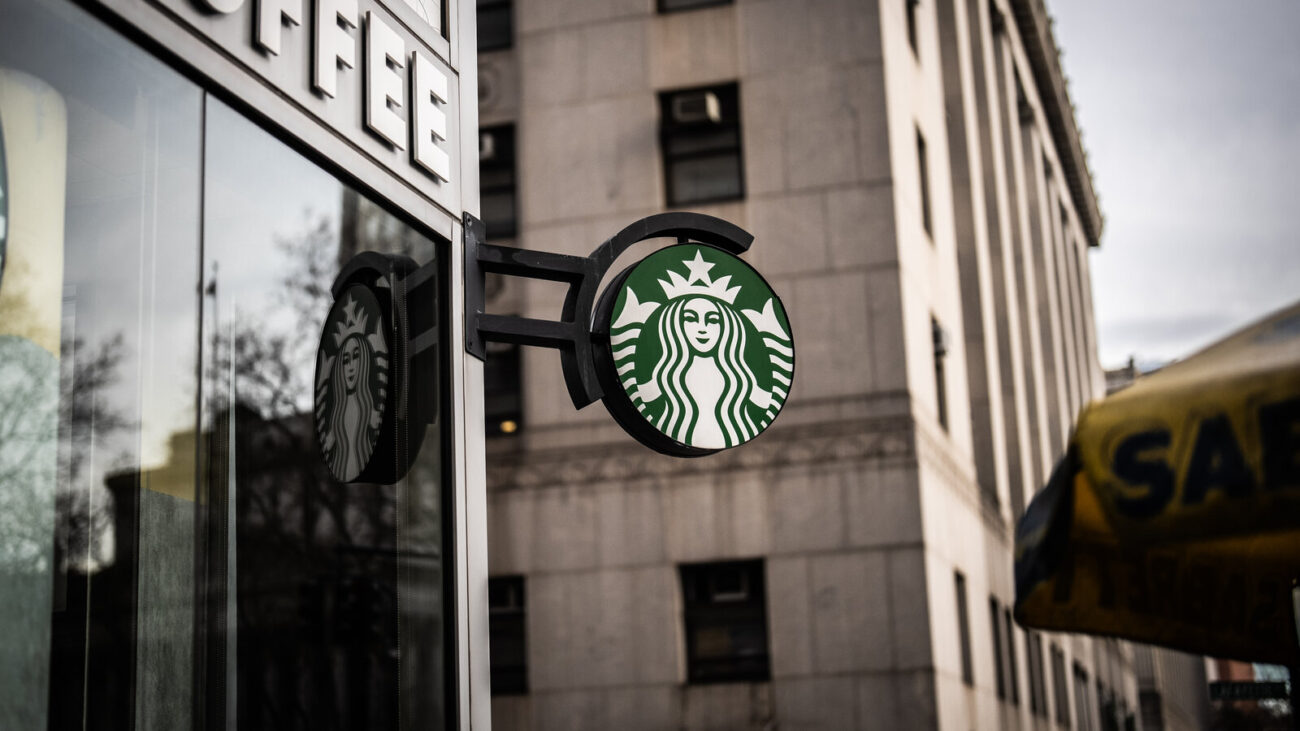
Starbucks’ branding strategy incorporates elements of personalization, such as writing customers’ names on cups, and a consistent aesthetic across its locations. The brand’s iconic green mermaid logo, inspired by the sea, symbolizes exploration and discovery. This narrative of exploration extends to its product offerings, as Starbucks continually introduces new and exotic flavors, keeping their story fresh and engaging.
Case Study 2: Blue Bottle Coffee – Minimalism and Quality
Blue Bottle Coffee is a prime example of branding focused on quality and simplicity. Founded in Oakland, California, Blue Bottle has established itself as a leader in the specialty coffee movement. Its story is built on a commitment to freshness, with a promise to serve coffee within 48 hours of roasting.
The minimalist branding of Blue Bottle reflects its dedication to quality over quantity. Its clean, simple design and focus on the craft of coffee-making resonate with consumers seeking authenticity. This branding approach has allowed Blue Bottle to cultivate a niche market of coffee aficionados who appreciate the brand’s transparency and craftsmanship.
Case Study 3: Café de Flore – The Essence of Parisian Elegance
Café de Flore, located in the heart of Paris, is synonymous with Parisian culture and intellectualism. Its branding story is steeped in history, having been a popular meeting place for writers, philosophers, and artists since the early 20th century. The cafe’s brand identity is anchored in its rich heritage and timeless charm.
The branding of Café de Flore capitalizes on its historical significance, offering an experience that transports patrons to the golden age of French café society. The decor, menu, and ambiance all contribute to its narrative of elegance and sophistication. By preserving its legacy and maintaining an authentic French experience, Café de Flore has solidified its status as an iconic cultural landmark.
Case Study 4: Tim Hortons – A Canadian Cultural Staple
Tim Hortons is a quintessential part of Canadian culture, with a brand story rooted in community and national identity. Founded by Canadian hockey player Tim Horton, the chain has expanded far beyond its humble beginnings. Its branding emphasizes friendliness, familiarity, and Canadian pride.
Tim Hortons’ marketing campaigns often focus on themes of togetherness and community, resonating with Canadians’ sense of patriotism. The brand’s iconic “Roll Up the Rim” contest and its role as a gathering place for families and friends further reinforce its narrative of warmth and inclusivity. By aligning with Canadian values and traditions, Tim Hortons has become a beloved institution across the country.
The Role of Visual Identity in Cafe Branding
Visual identity plays a pivotal role in cafe branding, as it sets the tone for the customer experience. Elements such as logo design, color schemes, typography, and interior decor all contribute to a cafe’s overall brand image. Successful cafes ensure that these elements are cohesive and reflective of their core story.
For instance, a cafe with a rustic, artisanal brand story might use earthy tones, handcrafted furniture, and vintage typography to convey its narrative. On the other hand, a modern, innovative cafe might opt for sleek, minimalistic designs and bold colors. Consistency in visual identity helps reinforce the brand story and makes it memorable for customers.
The Importance of Community Engagement
Cafes that thrive often do so because they engage meaningfully with their communities. Building a brand is not just about selling coffee; it’s about creating a space where people feel connected. Many successful cafes host events, support local artists, or collaborate with community organizations to strengthen their ties with patrons.
For example, a cafe might host open mic nights, art exhibits, or charity events, creating opportunities for customers to engage with the brand beyond the coffee cup. This sense of community fosters loyalty and encourages word-of-mouth promotion, a powerful tool in building a brand’s reputation.
Adapting to Changing Trends
The cafe industry is constantly evolving, with new trends emerging in response to consumer preferences and societal shifts. Iconic cafes remain relevant by adapting their branding strategies to align with these changes while staying true to their core story.
For instance, the rise of sustainability has prompted cafes to incorporate eco-friendly practices into their branding. This might include using recyclable materials, sourcing ethically-produced coffee, or reducing waste through innovative packaging solutions. By embracing trends that resonate with their audience, cafes can keep their brand story current and engaging.
Conclusion
The world of cafe branding is as diverse and dynamic as the cafes themselves. From global giants like Starbucks to local legends like Café de Flore, each successful cafe has a unique story that captivates its audience and fosters a sense of belonging. By understanding the power of storytelling, visual identity, community engagement, and adaptability, cafe owners can craft a brand that not only stands out in a crowded market but also creates lasting connections with their patrons.
As we continue to explore the rich landscape of cafe culture, these iconic branding stories serve as a source of inspiration for aspiring cafe owners and coffee enthusiasts alike. They remind us that, at its core, a cafe is more than just a place to enjoy a cup of coffee; it’s a space where stories are brewed and memories are made.
