

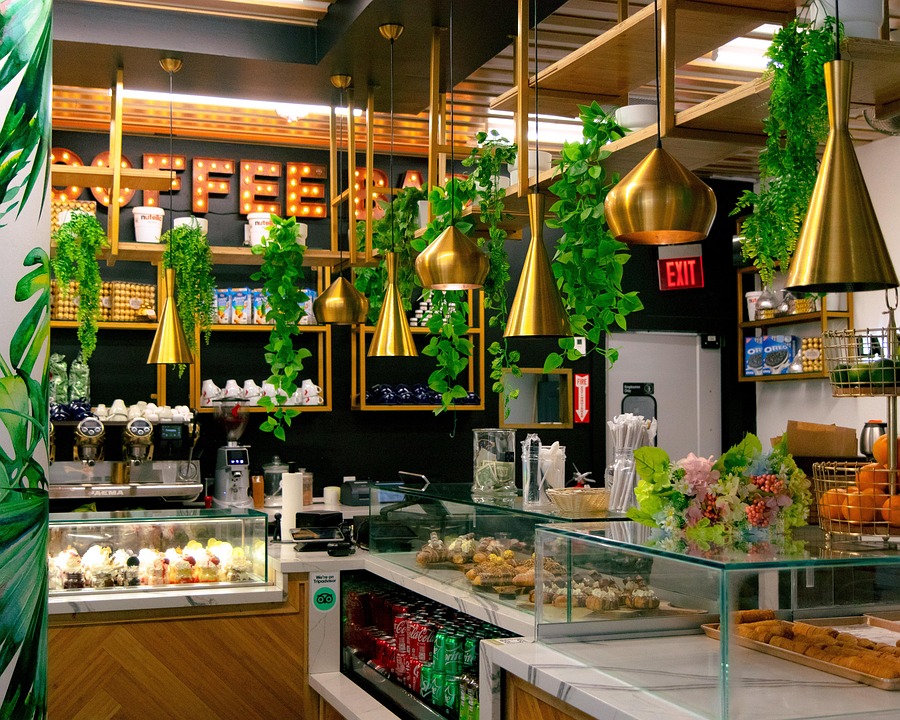
In the competitive world of cafes, the ambiance plays a crucial role in attracting and retaining customers. A well-designed space not only enhances the customer experience but also reflects the brand’s identity. With the ever-evolving trends in interior design, staying updated is essential for cafe owners. This article explores the latest cafe interior design trends that can elevate your space, making it both functional and aesthetically pleasing.
Biophilic Design
One of the most significant trends in cafe design is the incorporation of biophilic elements. Biophilic design emphasizes the connection between humans and nature, using natural elements to create a calming and inviting atmosphere. This can be achieved through the use of indoor plants, natural light, and earthy materials like wood and stone. Not only do these elements enhance the aesthetics of a cafe, but they also improve air quality and promote a sense of well-being among patrons.
Sustainable Materials
Sustainability has become a critical consideration in modern interior design. Cafe owners are increasingly opting for eco-friendly materials such as reclaimed wood, bamboo, and recycled metals. These materials not only reduce the environmental impact but also add a unique character to the space. Additionally, sustainable design practices, such as energy-efficient lighting and water-saving fixtures, contribute to a cafe’s ecological responsibility, appealing to environmentally conscious customers.
Minimalist Aesthetic
Minimalism continues to be a popular trend in cafe design, focusing on simplicity and functionality. A minimalist approach involves decluttering the space and using a neutral color palette, allowing the cafe’s core elements to stand out. This design trend emphasizes clean lines, open spaces, and the use of functional furniture. The minimalist aesthetic creates a serene environment where customers can relax and enjoy their coffee without distractions.
Industrial Chic
The industrial design trend has been a favorite in urban cafes, characterized by its raw and edgy look. This style incorporates elements such as exposed brick walls, metal fixtures, and concrete floors. The industrial chic aesthetic is perfect for creating a trendy and modern vibe, appealing to a younger demographic. To soften the roughness of industrial design, cafe owners can introduce warm lighting and cozy seating arrangements.
Vintage and Retro Vibes
Nostalgia plays a significant role in attracting customers, and vintage-inspired interiors are making a comeback. Retro design elements, such as mid-century furniture, bold patterns, and vintage signage, evoke a sense of nostalgia and charm. This trend allows cafe owners to create a unique and memorable experience, transporting customers back to a bygone era. Mixing vintage pieces with modern elements can result in a balanced and eclectic design.
Artistic and Creative Spaces
Cafes are increasingly becoming hubs for creativity and self-expression. Incorporating artistic elements into the interior design can create a dynamic and inspiring environment. This can be achieved through gallery walls, murals, and installations by local artists. Creative spaces not only attract art enthusiasts but also encourage patrons to linger, turning the cafe into a community gathering place.
Comfort-Driven Design
With the rise of remote work and digital nomads, cafes are becoming alternative workplaces for many individuals. As a result, comfort-driven design is gaining popularity, focusing on creating cozy and welcoming spaces. This trend involves comfortable seating options, such as plush armchairs and sofas, as well as providing ample power outlets and Wi-Fi access. A comfortable cafe environment encourages customers to stay longer, boosting sales and customer loyalty.
Color Psychology
The strategic use of color in interior design can significantly impact the mood and behavior of customers. Understanding color psychology allows cafe owners to create an atmosphere that aligns with their brand identity. For instance, warm colors like red and orange can stimulate appetite and conversation, while cool colors like blue and green promote relaxation. Choosing the right color scheme can enhance the overall experience and influence customer perception.
Multifunctional Spaces
As cafes continue to evolve, the need for multifunctional spaces has become apparent. Designing a cafe with flexible areas allows it to cater to various customer needs, from casual meetups to formal gatherings. This can be achieved through adaptable furniture, movable partitions, and versatile seating arrangements. Multifunctional spaces maximize the use of available square footage, enhancing the cafe’s functionality and profitability.
Incorporating Local Culture
Infusing local culture into cafe design adds authenticity and a sense of place. This trend involves using locally sourced materials, artwork, and design elements that reflect the cultural heritage of the area. By celebrating local culture, cafes can create a unique identity that resonates with both locals and tourists. This approach fosters a sense of community pride and supports local artisans and businesses.
Technology Integration
In the digital age, integrating technology into cafe design is becoming increasingly important. Smart technology can enhance the customer experience through features such as mobile ordering, contactless payments, and interactive menus. Additionally, incorporating technology in the design process, such as using virtual reality for layout visualization, allows for more efficient planning and execution. Technology integration not only streamlines operations but also appeals to tech-savvy customers.
Conclusion
The interior design of a cafe plays a pivotal role in shaping the customer experience and brand perception. By staying abreast of the latest design trends, cafe owners can create spaces that are not only visually appealing but also functional and sustainable. Whether it’s through the use of biophilic elements, sustainable materials, or technology integration, each trend offers unique opportunities to elevate a cafe’s interior. Ultimately, a thoughtfully designed cafe can become a beloved destination for customers, contributing to its long-term success.
