

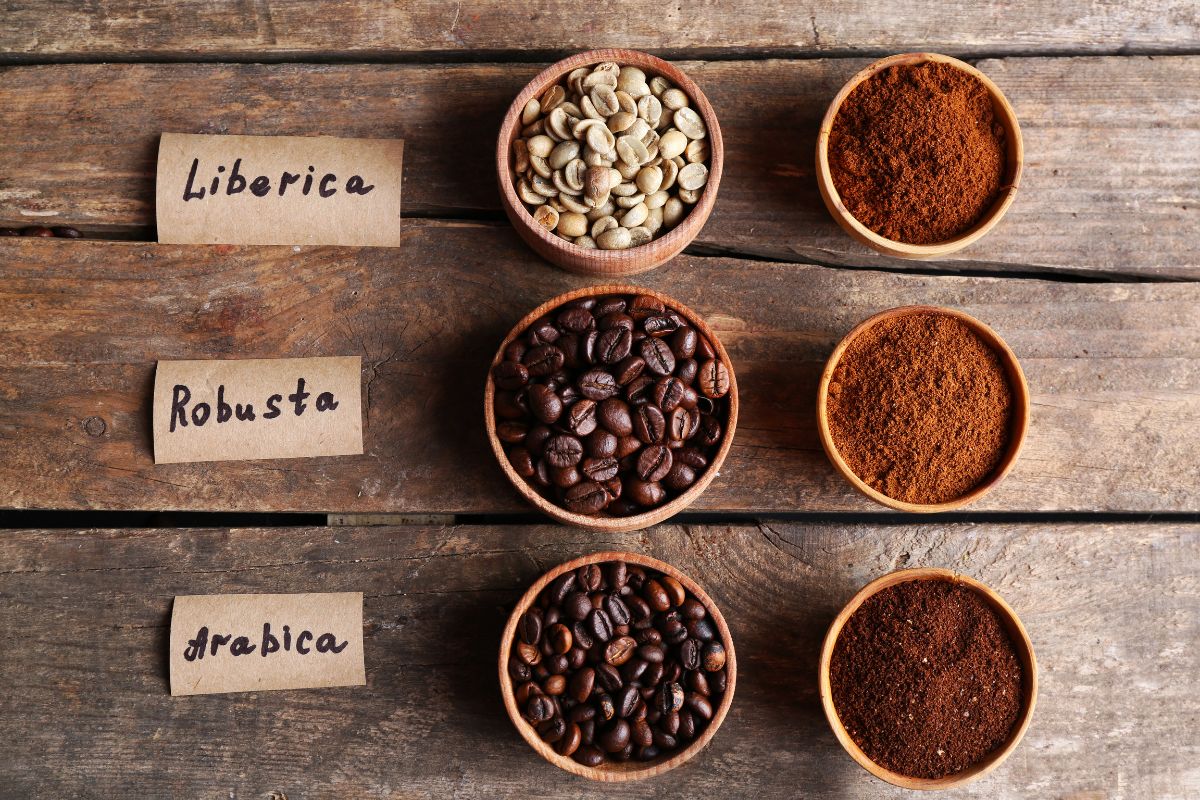
Coffee is more than just a beverage; it is a global cultural phenomenon. Whether you are sipping a latte in a bustling cafe or enjoying a simple black coffee at home, understanding the different types of coffee can enhance your appreciation of this beloved drink. This guide will explore the various coffee types, their origins, preparation methods, and flavor profiles.
The Basics of Coffee
Before delving into specific coffee types, it’s important to understand the basics of coffee. Coffee is made from the roasted seeds of the Coffea plant. There are two main species of coffee: Arabica and Robusta, each contributing distinct characteristics to the coffee’s flavor and aroma.
Arabica vs. Robusta
Arabica coffee is known for its smooth, mild flavor and complex aroma. It is generally considered superior in quality and is more expensive due to its lower yield and sensitivity to environmental factors. Robusta, on the other hand, is stronger and more bitter, with a higher caffeine content. It is often used in instant coffee and espresso blends to add body and punch.
Espresso-Based Coffees
Espresso forms the foundation of many popular coffee drinks. It is a concentrated coffee brewed by forcing hot water through finely-ground coffee. Here are some popular espresso-based coffee types:
Espresso
A single or double shot of espresso is the purest form of coffee. It has a rich, robust flavor and a velvety crema on top. Espresso is the base for many other coffee drinks.
Americano
Americano is made by diluting a shot of espresso with hot water, resulting in a coffee similar in strength to drip coffee but with a different flavor profile.
Cappuccino
A cappuccino is a balanced combination of equal parts espresso, steamed milk, and milk foam. It has a rich, creamy texture and is often dusted with cocoa powder or cinnamon.
Latte
Latte, short for “caffè latte,” means “milk coffee” in Italian. It consists of one-third espresso and two-thirds steamed milk, topped with a small amount of milk foam. Lattes are popular for their smooth, silky texture.
Macchiato
Traditionally, a macchiato is a shot of espresso “stained” or “marked” with a small amount of milk foam. However, modern variations like the caramel macchiato include more milk and flavored syrups.
Drip and Filter Coffees
Drip and filter coffees are popular for their convenience and ability to produce large quantities of coffee at once. These methods involve pouring hot water over ground coffee, which then drips through a filter into a carafe or pot.
Drip Coffee
Drip coffee is made using an automatic coffee maker or a manual drip cone. It produces a clean, straightforward cup of coffee that is less intense than espresso.
Pour Over
Pour-over coffee is a manual brewing method that involves pouring hot water over coffee grounds in a filter. It allows for precise control over brewing time and water temperature, resulting in a nuanced and flavorful cup.
French Press
French press coffee involves steeping coarse coffee grounds in hot water before pressing them down with a plunger. This method produces a full-bodied, rich coffee with a robust flavor.
Specialty Coffees
Specialty coffees offer unique flavors and brewing techniques that cater to adventurous coffee enthusiasts. These types often highlight distinct regional characteristics and artisanal methods.
Cold Brew
Cold brew coffee is made by steeping coarsely ground coffee in cold water for an extended period, usually 12 to 24 hours. The result is a smooth, less acidic coffee that is often served over ice.
Nitro Coffee
Nitro coffee is cold brew coffee infused with nitrogen gas, giving it a creamy, frothy texture reminiscent of draft beer. It is served on tap and is popular for its unique mouthfeel.
Turkish Coffee
Turkish coffee is a traditional method of brewing finely ground coffee with water and sugar in a special pot called a cezve. It is served unfiltered, resulting in a strong, thick coffee with grounds settling at the bottom of the cup.
Irish Coffee
Irish coffee is a cocktail made by combining hot coffee, Irish whiskey, sugar, and a layer of cream. It is a warming, indulgent drink often enjoyed as a dessert or after-dinner treat.
Understanding Coffee Flavor Profiles
Coffee flavor profiles are influenced by various factors, including the type of coffee bean, the region where it is grown, and the processing method. Here are some key elements that contribute to coffee’s flavor:
Acidity
Acidity in coffee refers to the bright, tangy characteristics that add liveliness to the flavor. High-altitude Arabica coffees often possess pleasant acidity, described as citrusy or fruity.
Body
The body of a coffee refers to its weight and texture in the mouth. A coffee with a full body feels rich and heavy, while a light-bodied coffee feels thinner and more delicate. Factors such as brewing method and roast level can influence the body.
Sweetness
Sweetness in coffee balances its acidity and bitterness. It is often described in terms of flavors like chocolate, caramel, or fruit. The level of sweetness is influenced by the coffee’s origin and processing.
Bitterness
Bitterness is a natural component of coffee, but excessive bitterness can be unpleasant. It is often associated with dark roasts or over-extraction during brewing. Proper brewing techniques can help manage bitterness.
Conclusion
Understanding the diverse types of coffee and their unique characteristics enhances the coffee-drinking experience. Whether you prefer the bold intensity of an espresso or the smooth complexity of a pour-over, there is a coffee type for every palate. Experimenting with different brewing methods and exploring specialty coffees can open up a world of flavors and aromas. So, the next time you enjoy a cup of coffee, take a moment to appreciate the journey from bean to brew and savor the rich tapestry of flavors that coffee has to offer.
