

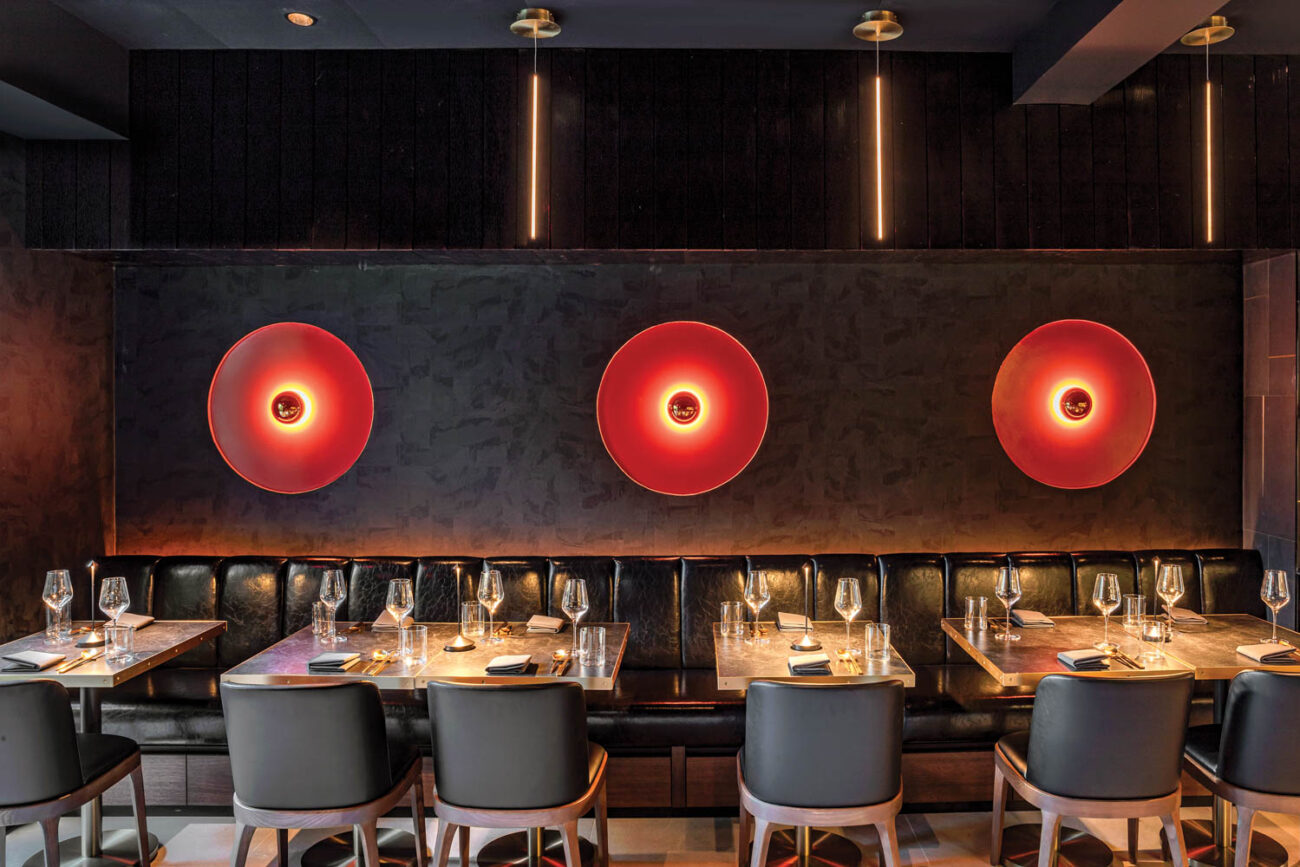
In the competitive world of cafes, creating an inviting and innovative layout is crucial to attract and retain customers. The design of a cafe can significantly influence a customer’s experience, encouraging them to return and recommend the spot to others. This article explores innovative cafe layout ideas that maximize customer appeal, blending aesthetics, functionality, and comfort to create spaces that are both unique and inviting.
The Importance of an Innovative Cafe Layout
An innovative cafe layout is more than just a visually appealing space; it serves several critical functions. Firstly, it enhances the customer experience by creating a comfortable and inviting atmosphere. Secondly, it optimizes the use of space, allowing for efficient movement and service. Lastly, a well-designed layout reflects the brand’s identity, helping to differentiate the cafe from competitors.
Understanding the Customer Journey
Before diving into specific layout ideas, it’s essential to understand the customer journey in a cafe. The journey typically starts with the storefront, where first impressions are formed. Once inside, the customer navigates to the counter to place an order, then selects a seating area, and finally enjoys their food and drink. Each stage of this journey should be considered when designing the layout to ensure a seamless and enjoyable experience.
Open Concept Design
An open concept design is a popular choice for modern cafes, as it fosters a sense of community and spaciousness. By minimizing walls and barriers, customers can move freely and interact with the environment. This layout is particularly appealing for cafes in urban areas where space is limited.
Advantages of Open Concept Design
– **Enhanced Visibility:** Customers can easily see available seating options and the menu board from different angles.
– **Natural Light:** An open layout allows for better distribution of natural light, creating a warm and inviting atmosphere.
– **Social Interaction:** Encourages social interaction among customers, fostering a sense of community.
Functional Zoning
Functional zoning involves dividing the cafe into distinct areas based on their purpose. This can include seating zones, a takeaway area, and a workspace for customers who wish to work remotely. By clearly defining these zones, cafes can cater to diverse customer needs without overcrowding any single area.
Implementing Functional Zoning
– **Seating Zones:** Include a mix of seating options, such as communal tables, cozy corners, and window seats, to accommodate different preferences.
– **Takeaway Area:** Designate a specific area for quick orders and pickups to streamline the flow of traffic and reduce waiting times.
– **Workspace:** Provide power outlets and Wi-Fi in designated work areas to attract remote workers and students.
Eclectic and Thematic Designs
An eclectic or thematic design can set a cafe apart by offering a unique and immersive experience. This approach involves selecting a central theme or style and incorporating it into the cafe’s decor, furniture, and overall ambiance.
Creating a Thematic Cafe
– **Consistency:** Ensure that all elements, from furniture to artwork, align with the chosen theme to create a cohesive look.
– **Storytelling:** Use the theme to tell a story, inviting customers to engage with the narrative as they enjoy their visit.
– **Memorable Experience:** A strong theme can make the cafe memorable, encouraging customers to share their experience on social media.
Incorporating Nature
Biophilic design, which integrates natural elements into the built environment, is gaining popularity in cafes. This approach not only enhances aesthetic appeal but also offers health and psychological benefits, such as reducing stress and improving mood.
Ways to Incorporate Nature
– **Greenery:** Use potted plants, vertical gardens, or hanging planters to introduce greenery into the space.
– **Natural Materials:** Incorporate wood, stone, and other natural materials into the furniture and decor.
– **Outdoor Spaces:** If possible, create an outdoor seating area to provide customers with fresh air and a connection to nature.
Technology Integration
In today’s digital age, integrating technology into the cafe layout can enhance the customer experience and streamline operations. From digital menus to contactless payment systems, technology can make the cafe more efficient and customer-friendly.
Technological Enhancements
– **Self-Ordering Kiosks:** Reduce wait times and allow customers to customize their orders with ease.
– **Contactless Payments:** Offer a variety of payment options, including mobile wallets, to cater to tech-savvy customers.
– **Interactive Displays:** Use digital screens to showcase menus, promotions, and even live social media feeds.
Flexible and Adaptable Spaces
A flexible layout allows the cafe to adapt to different customer needs and events. This can be achieved by using movable furniture and modular design elements that can be rearranged as needed.
Benefits of Flexible Spaces
– **Event Hosting:** Easily transform the space for events, workshops, or private parties.
– **Seasonal Changes:** Adjust the layout to accommodate seasonal changes in customer behavior and preferences.
– **Customization:** Allow customers to personalize their experience by rearranging furniture to suit their group size and activity.
Conclusion
Creating an innovative cafe layout that maximizes customer appeal involves a careful balance of aesthetics, functionality, and brand identity. By understanding the customer journey and incorporating elements such as open concept design, functional zoning, thematic decor, nature, technology, and flexibility, cafes can create spaces that delight and inspire. In doing so, they not only attract new customers but also foster loyalty and positive word-of-mouth, ensuring long-term success in the competitive cafe industry.
Final Thoughts
As the cafe industry continues to evolve, staying ahead of trends and customer expectations is crucial. By embracing innovative layout ideas, cafes can create memorable experiences that not only meet but exceed customer expectations. Whether it’s through the incorporation of nature, technology, or a unique theme, the goal is to create a space that customers will want to return to time and time again. With careful planning and creative design, any cafe can become a beloved local favorite.
